

Euro prek minimum të ri historik - E mbyll javën në 95.24 lekë. Pritet më shumë presion gjatë verës

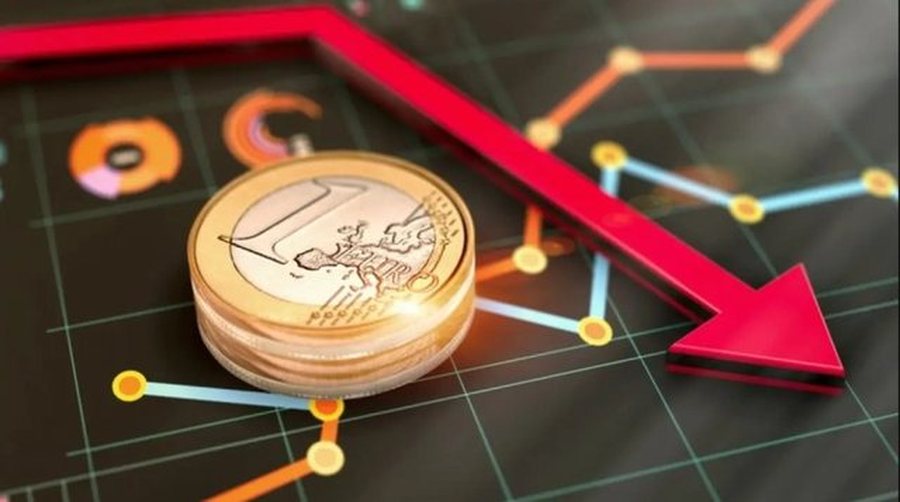
Euro ka vijuar tendencën në rënie në tregun e brendshëm valutor, duke mbyllur javën në nivelin më të ulët historik prej 95.24 lekësh. Sipas të dhënave zyrtare të Bankës së Shqipërisë, monedha europiane ka humbur vazhdimisht terren gjatë këtij viti, ndërsa tendenca rënëse është përshpejtuar në prag të sezonit veror.
Grafiku i ecurisë së kursit tregon se që nga fillimi i vitit euro është zhvlerësuar me më shumë se 1.3 lekë, duke zbritur nga nivelet pranë 96.6 lekëve në fillim të janarit në vetëm 95.24 lekë në javën që sapo u mbyll. Ndërsa krahasuar me të njëjtën periudhë të një viti më parë, euro është zhvlerësuar me rreth 3%.
Kjo rënie vjen në një moment kur Shqipëria po hyn në sezonin turistik, periudhë që tradicionalisht shoqërohet me flukse të konsiderueshme të valutës së huaj në ekonomi. Numri i lartë i turistëve, së bashku me remitancat dhe Investimet e Huaja Direkte, pritet të shtojnë ofertën e euros në treg, duke ushtruar presion të mëtejshëm. Në këto kushte, nuk përjashtohet mundësia që euro të testojë nivele edhe më të ulëta se rekordi aktual.
Banka e Shqipërisë po ndërhyn rregullisht në tregun valutor edhe gjatë këtij viti, për ta frenuar ritmin e zhvlerësimit të Euros. Informacionet për ndërhyrjet në tregun valutor gjatë vitit 2026 ende nuk janë bërë publike, por duke parë shifrat e dy viteve të fundit mund të mendohet se banka qendrore po vazhdon të tërheqë sasi të konsiderueshme valute nga tregu. Në dy vitet e fundit, Banka e Shqipërisë ka blerë rreth 1 miliard euro, në secilin vit, në përpjekje për të parandaluar rënien e mëtejshme të euros.
Zhvlerësimi i monedhës europiane vazhdon të krijojë sfida për eksportuesit dhe sektorët e tjerë që kanë aktivitet në euro, pasi të ardhurat e tyre të konvertuara në lekë reduktohen. Me sezonin turistik që sapo po nis dhe me pritshmëritë për një numër rekord vizitorësh gjatë verës, tregu valutor mbetet nën vëzhgim, ndërsa shumë operatorë presin që euro të vazhdojë trajektoren zbritëse edhe në javët dhe muajt e ardhshëm.
Kosova shkon në zgjedhje të dielën - Vendi përballet me 3 skenarë të mundshëm, BE thirrje për marrëveshje
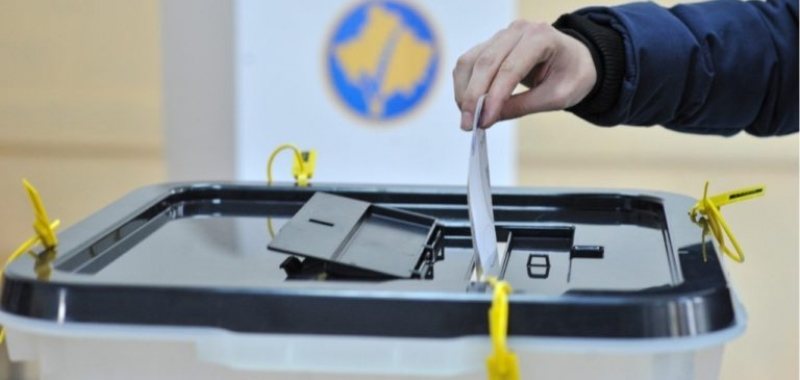
Kosova do të zhvillojë zgjedhjet e jashtëzakonshme parlamentare të dielën, që janë të tretat në 18 muajt e fundit, pasi partitë politike nuk arritën një......

Si po ndikon Grancia Rinore në punësim? - Hoxha: Duhet koordinim, interesi nga të rinjtë është i lartë
Së fundmi, qeveria qeveria ka miratuar ndryshime në vendimin që rregullon zbatimin e Strategjisë së Punësimit dhe Aftësive, duke zgjatur planin e Garancisë......
BE, më pak karburante fosile të importuara - Shifrat që nga fillimi i luftës në Lindjen e Mesme
Bumi i energjisë së rinovueshme në Evropë ka ndihmuar në mbrojtjen e kontinentit nga çmimet në rritje të naftës dhe gazit - të cilat mbeten të paqëndrueshme......
Greqia, 15% taksë mbi fitimet nga kriptovalutat? - Qëllimi është të përfshihen në kodin tatimor të vendit
Greqia po përgatit legjislacionin për të vendosur një taksë prej 15% mbi fitimet kapitale mbi kriptovalutat, thanë për Reuters dy zyrtarë qeveritarë me......
Transparenca e pagave në BE - Cilat vende janë gati për rregullat e reja?
Në pjesën më të madhe të Evropës, punëtorët ende kanë informacion të kufizuar në lidhje me punët që paguajnë dhe si krahasohen pagat e tyre me të tjerët që......

Gonxhja udhëton me hidroplan nga Rinasi në Pogradec: Liqenet dhe bregdeti mund të kthehen në stacione të turizmit ajror
Ministri i Ekonomisë, Kulturës dhe Inovacionit, Blendi Gonxhja, realizoi një fluturim simbolik me hidroplan nga Aeroporti Ndërkombëtar i Rinasit drejt......

Shqiptarët po lexojnë më shumë lajme online - Vendet nordike dominojnë renditjen, Shqipëria regjistron një rritje të lehtë të lexuesve
Interneti po konsolidohet gjithnjë e më shumë si burimi kryesor i informacionit në botë dhe Shqipëri. Të dhënat më të fundit nga Eurostat për vitin 2025......
Ekonomia e Eurozonës, në vështirësi - PBB në tremujorin e parë u ul me 0.2%
Prodhimi i Brendshëm Bruto (PBB) i rregulluar sezonalisht për tremujorin e parë u ul me 0.2 për qind në Eurozonë dhe me 0.1 për qind në Bashkimin Evropian......