

US refunds $81 billion from Trump tariffs - Supreme Court declares them illegal, president announces new tariffs


The U.S. government has already returned tens of billions of dollars in tariffs it collected before the Supreme Court ruled them illegal, according to budget figures released Monday. Tariffs have been a key part of Donald Trump's economic plan since he took office last year. In February, the Supreme Court struck down a large portion of the additional tariffs Trump had signed into law, forcing the government to return the money to the companies that had paid them.
According to budget data, the United States has paid a total of $81 billion in tariff refunds for this fiscal year, which began in October 2025, compared with $5 billion during the same period last year. A Treasury Department official said the tariff increase was almost entirely due to the Supreme Court ruling, with most of the refunds made in May and June.
Trump had presented the tariffs as a comprehensive solution for the economy, with the goal of bringing factories back to the U.S., striking better trade deals and closing the federal budget deficit. But the deficit, which had narrowed slightly last year thanks to tariff revenue, is now rising again. It reached $1.36 trillion in the first nine months of the fiscal year, up 2%.
The United States spent more than $1 trillion just to pay interest on debt, up 14%, while military spending increased by 5%, due to the war in the Middle East.
The current temporary global tariff of 10% is set to expire on July 24, but the White House is preparing new schemes, due to what it sees as weak enforcement of laws against forced labor and industrial overcapacity.
The latest proposal could affect major trading partners including the United Kingdom, Japan, India, Taiwan and China, and would allow President Trump to bypass previous Supreme Court-imposed restrictions on his protectionist agenda. The new tariff rates are expected to be between 10% and 12.5%. Last month, Trump also threatened a 100% tariff on European countries that impose an additional tax on major American technology companies.
The UK has a 2% digital services tax, which applies to major social media platforms, search engines and online marketplaces. The tax, which applies to companies such as Apple, Google and Amazon, raised more than £800m in 2024-25. France, Spain and Italy apply a 3% digital services tax to large companies operating in their countries, while several other EU countries have either implemented or proposed similar policies.
Albania closes the first three chapters of negotiations - Today, the 9th intergovernmental conference in Brussels
Negotiations with the European Union have entered a new phase for Albania. The ninth Albania-EU Intergovernmental Conference will be held in Brussels, where......
The US Dollar Strengthens Again – The Franc Loses Points
The US dollar continued its positive trend this Tuesday, once again registering an increase in value compared to the previous day, as it was bought today for......

High school, no job guarantee/ More long-term unemployed with high school than those with 8/9 years of education
The number of long-term unemployed decreased during 2025, but the data show that the improvement was not evenly distributed across age groups, genders, and......
Capital market with "new rules of the game" - Poshnjari: Issuers of securities will have new obligations for publishing information
With the new draft law on transparency of government securities, issuers of these securities, or companies listed on the regulated market, are obliged to......
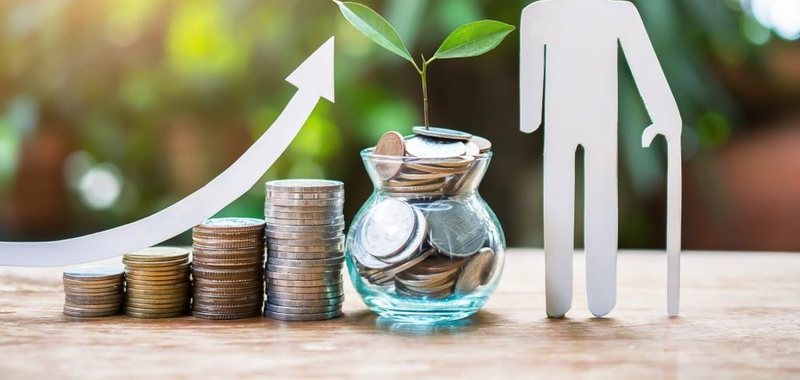
Employees paid 939 million euros for pensions/6-month period 2026, an increase of 92 million euros. What are the reasons?
The state budget has collected 93.9 billion lek or about 939 million euros in the first half of the year from obligations paid by employees in the private......

EU, 25% of energy was produced from the sun - In June, Germany, Spain and Poland led the way
Solar power generated a record 52 TWh of electricity in the EU in June 2026, accounting for 25 percent of monthly production for the bloc. This surpassed the......
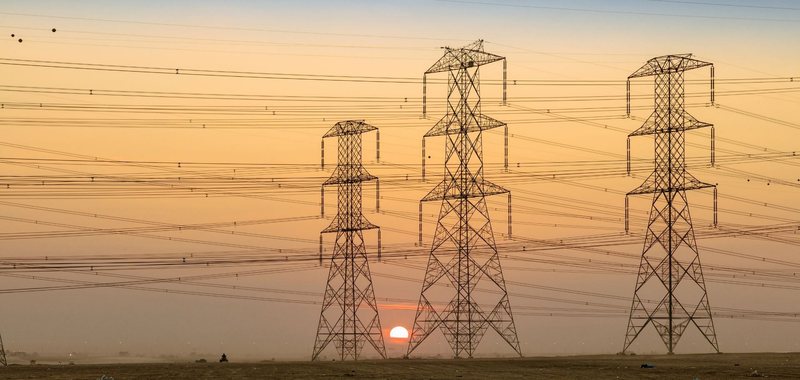
Businesses demand reduction in energy costs - CBI and Energy UK call on new government to remove some tariffs, reduce bills by 20%
Leading business and energy sector organisations in the UK have called on the new government to take urgent measures to reduce energy costs for companies,......
The government borrows less from the domestic market - Treasury bills remain the main financing instrument, but issuances fell
The Ministry of Finance has sold 229 billion lek of government securities during the first half of this year. The data shows that the government has......