



Iran returns to oil trade - Exports over 40 million barrels after deal with US, prices fall

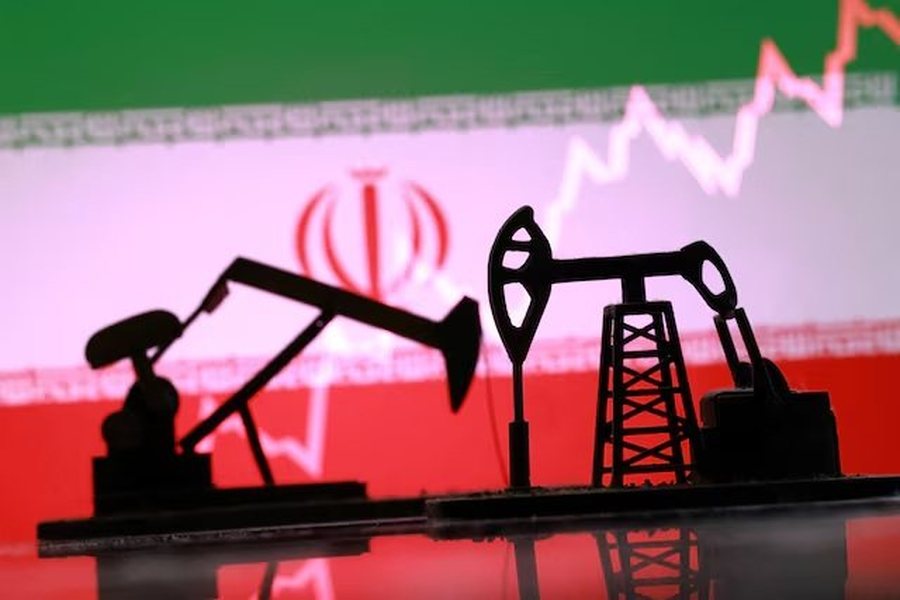
Iran has exported more than 40 million barrels of oil in recent weeks, following a ceasefire with the United States, sending prices plunging. Brent crude is trading at around $71 a barrel, 40% below its peak of $118 at the height of the conflict.
Iran has exported more than 40 million barrels of crude oil since the lifting of the US naval blockade, while the price at which Iranian oil is sold is about 20% higher than before the war, said the speaker of parliament and chief Iranian negotiator, Mohammad Bagher Ghalibaf.
According to him, during the two months of the naval blockade, Iran failed to export a single barrel of oil. "Since the day the naval blockade was lifted, we have exported more than 40 million barrels of oil," he said.
The United States and Iran signed a memorandum of understanding on June 17 to end the nearly four-month conflict, reopen the Strait of Hormuz, and begin a 60-day period of negotiations to reach a permanent peace agreement.
Although there was a temporary escalation of tensions over the weekend, after Iran attacked two ships passing through the Strait of Hormuz and both sides exchanged limited strikes, the ceasefire has brought about the normalization of tanker movement in one of the world's most important energy corridors.
The shipping monitoring company TankerTrackers.com estimated that Iran has exported about 50 million barrels of crude oil since the lifting of the US blockade, a figure even higher than that reported by Iranian authorities.
The return of exports has also weighed on international markets. Brent crude was trading at around $71 a barrel, about 40% below its peak of $118 reached at the height of the conflict in April. Analysts say diplomatic progress and expectations of increased supplies from Gulf states have put downward pressure on global oil prices.
Before the war, Iranian oil was selling at a discount of $10 to $15 per barrel to Brent due to risks associated with sanctions. According to analysts, this difference has narrowed significantly since the deal between Tehran and Washington.
Will we have lower prices this summer? - BoA: Consumers and all sectors of the economy expect a decline
Businesses in the services and construction sectors had low confidence in the economy during June. This contributed to a 0.6 point drop in the economic......
Lek, 'stronger' than ever! - The exchange rate leans in favor of the Albanian currency
The first half of the year has ended with the euro depreciating like never before. According to the official exchange rate of the Bank of Albania, the......
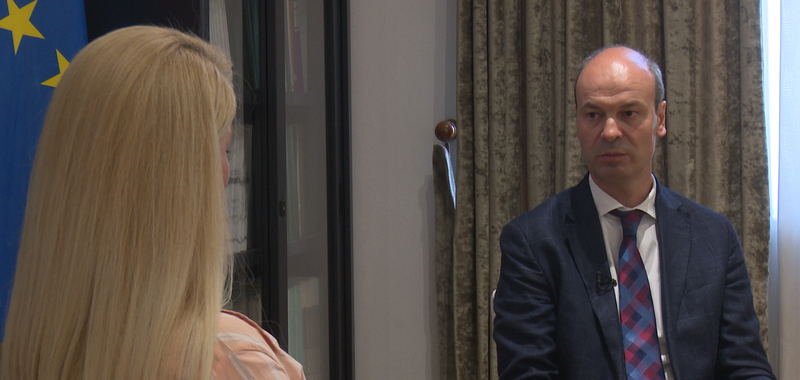
"Inflation is expected to increase in the second half of the year" - Themeli: BoA, in focus is the analysis of shocks from geopolitical developments
During the second quarter of 2026, Albania faced a supply shock, which came as a result of the increase in oil prices. It was reflected both in the price of......

The State Labor Inspectorate is restructured - A new institution with five regional directorates is created
The government has approved the creation of the Central Labor Inspectorate, which will replace the State Inspectorate of Labor and Social Services. The new......
Deadline for fines and late payment interest ends - Taxes: Other relief measures continue until December 2026
June 30 was the deadline for taxpayers seeking to benefit from the most favorable measures provided for in the law on the forgiveness of unpaid tax......
Albania benefits from 6 million euros, strengthening competitiveness - CBAM, opportunities towards the EU market for Albanian industry
Albania is expected to benefit from around 6 million euros, funds that can support the industrial adaptation process, investments in green technologies and the......

Fewer deaths were recorded in 2025 than the year before/ Over half of them are caused by heart and blood vessel diseases
Diseases of the circulatory system continue to be the leading cause of death in Albania. During 2025, they accounted for 52.9% of all deaths registered in......

Who works the most in Albania? Eurostat: We work almost 6.7 hours more than Europeans. Production and construction “record”
The Albanian labor market is showing signs of easing the weekly workload, but we still remain among the nations that spend more time in offices, factories......