

IMF: Curb horizontal subsidies - Fiscal spending only for vulnerable households and businesses

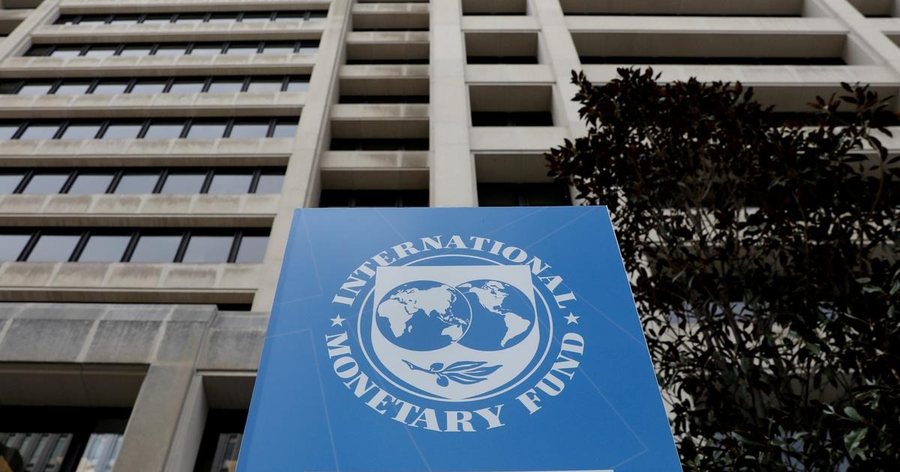
The International Monetary Fund is urging governments to target fiscal spending during times of crisis, such as the current one, only to vulnerable households and businesses that have suffered shocks in energy and food prices due to the war in the Middle East, which have caused shocks. In this way, the IMF is trying to protect countries, especially those with higher debts, from further growth.
In challenging times like the current one due to the situation in the Middle East, it is important to have a set of common principles, the Fund urges. The energy crisis is a typical negative supply shock that raises prices, weighs on activity and puts central banks in a difficult position. According to the IMF, fiscal measures have a role to play, but they must be temporary, targeted, timely and tailored.
One of the most important questions the Fund asks about appropriate policies is how long the shock lasts. If it is within historical limits, even if it is large, governments should let domestic prices adjust to international market conditions, it suggests.
Fiscal policy should rely primarily on automatic stabilizers, the report notes. Revenues will be hit as activity falls, while spending will cover the growing need for existing social assistance. For economies that rely on imported energy, higher import prices mean a reduction in real incomes – up to 2% to 3% of GDP in the short term under the current shock. This should be absorbed through lower domestic demand, the report says.
When price shocks are unusually large or disruptive but likely to be temporary, governments may have reason to pursue more active fiscal policy – but only if public finances can withstand them. Even then, any intervention should aim to cushion the adjustment rather than prevent it, the IMF warns.
Price signals play an important role in allocating resources, encouraging their efficient use and preventing shortages. At the same time, higher energy prices can have serious immediate impacts that are felt differently by individuals than by businesses. This means that the objectives of fiscal support and the means for its implementation should reflect this difference, the Fund also suggests.

'More money' for bank safety - Emergency Intervention Fund reached 8.22 billion lek in April
The Emergency Intervention Fund, which is used to rescue commercial banks in the event of bankruptcy or financial crises, has reached 8.22 billion lek.......
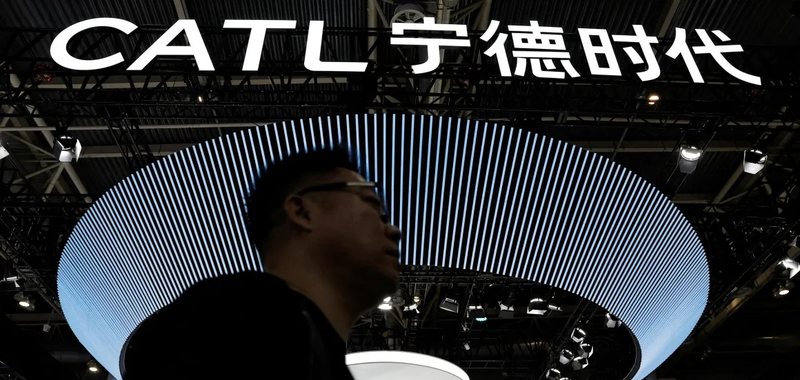
Exclusion of Chinese equipment - Study, cost for EU reaches 367.8 billion euros
The European Union's proposals to strengthen cybersecurity by phasing out equipment from Chinese suppliers could cost it more than $400 billion over the next......

Amnesty law, how can farmers buy back their years of work?/ 294-384 euros per year, all fines and late fees in the system are eliminated
Farmers registered in the tax system, that is, who have or have had a NIPT, regardless of whether they are currently active or not, will benefit from the law......
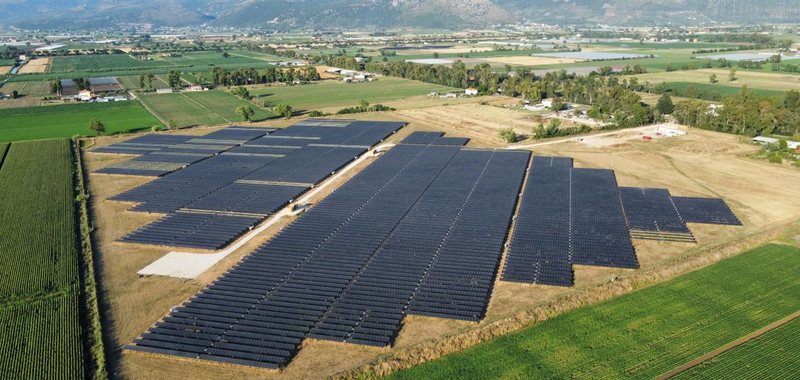
Solar electricity, 3 new plants with a capacity of 174 megawatts are added in Savër, Saranda and Poliçan
The Council of Ministers, in its meeting of May 20, 2026, approved the construction of three new solar power plants. The photovoltaic power plants will be......
State Intelligence Service, law changes: Collects information on threats to economic security
The Council of Ministers has approved the amendments to the law “On the National Intelligence Service” and has submitted them for approval to the Albanian......
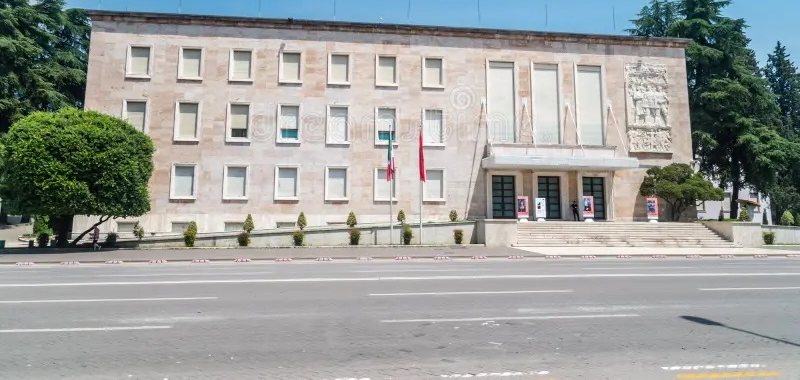
Government meeting, decisions and draft laws approved by ministers today are published
The Media and Information Agency has published the decisions and draft laws approved at today's government meeting, dated May 20, 2026. They......
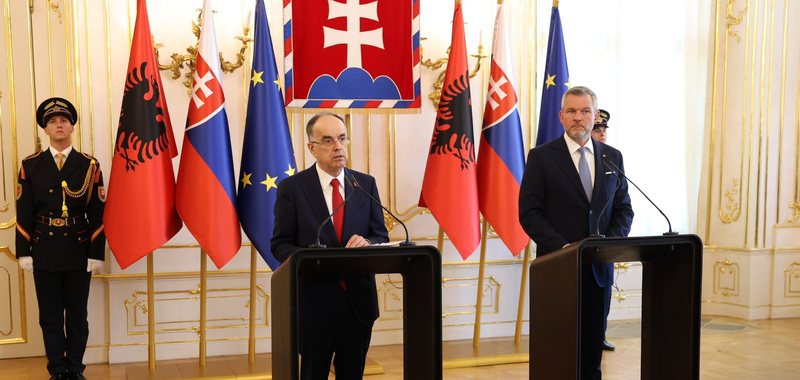
President Begaj visits Bratislava: Let's deepen cooperation in energy, tourism and agriculture
The President of the Republic, H.E. Bajram Begaj, paid an official visit to Slovakia at the invitation of his counterpart, Peter Pellegrini. During the......
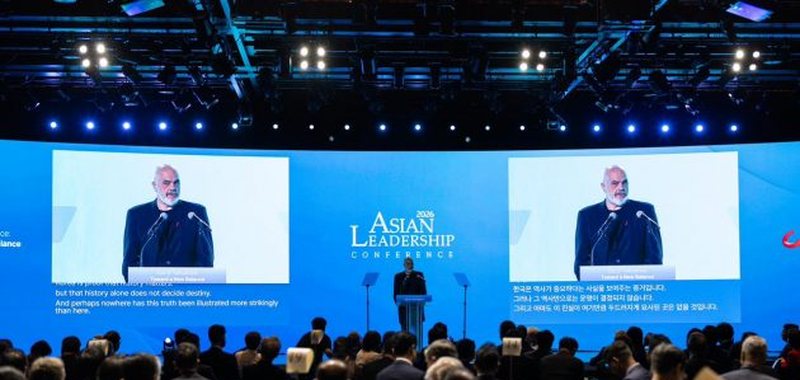
Rama in Seoul: We were the North Korea of Europe - Today the country is walking the path towards the European Union
"Albania was the North Korea of Europe, while now it is moving towards the path of the European Union," according to Prime Minister Edi Rama, who......