


Global airlines face severe cost crisis - Middle East crisis has made fuel more expensive

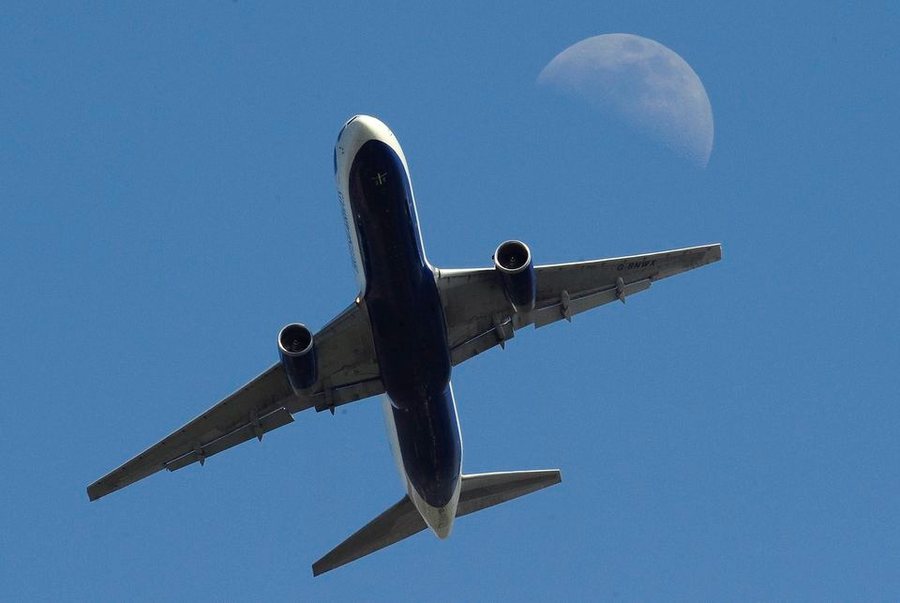
Global airlines are facing a severe cost crisis, as escalating geopolitical tensions and conflicts in the Middle East have continued to push jet fuel prices higher and higher.
At the 82nd Annual General Meeting of the International Air Transport Association (IATA) and the World Air Transport Summit held in the Brazilian city of Rio de Janeiro from 6 to 8 June, carriers warned that the war in the Middle East has disrupted key energy transport routes, causing a significant increase in aviation fuel prices.
IATA, which represents more than 370 airlines accounting for approximately 85 percent of global air traffic, forecast a total net profit of $23 billion for global airlines in 2026, which is roughly half of the $41 billion previously forecast.
Rising fuel costs and operational disruptions following the outbreak of war in Iran have changed the outlook, IATA said. Financial stress is already forcing carriers to change operating strategies.
Compounding the fuel crisis is a shortage of new commercial aircraft. Production delays at major manufacturing giants Boeing and Airbus have stalled new deliveries, leaving operators unable to refresh their fleets.
To maintain capacity, many airlines have been forced to extend the lifespan of older, less efficient aircraft. This means that keeping older fleets in the air exacerbates the cost crisis, as these models burn more fuel and require much higher maintenance costs.
While the aviation sector has faced increasing pressure to switch to non-petroleum-based fuels to meet emissions targets, the summit highlighted that sustainable aviation fuel (SAF) remains too scarce and expensive to provide immediate relief.
Unlike traditional jet fuel refined from crude oil, sustainable aviation fuel is produced from agricultural residues, food waste and used cooking oils. Its annual production is expected to be approximately 2.4 million tonnes, meeting only 0.8 percent of global aviation fuel demand, IATA estimated.

Elections in Kosovo cost 10.9 million euros - Over 18 million euros were spent on the last two early elections
While political parties are calculating the costs of possible coalitions after the early general elections in Kosovo, the state budget is calculating the......
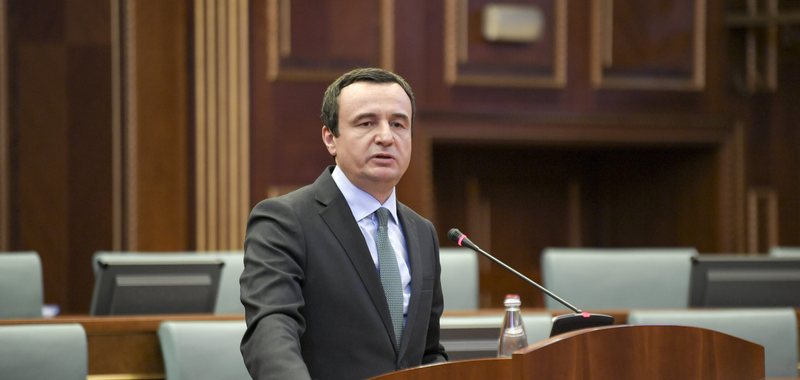
Albin Kurti wins elections in Kosovo - He needs a coalition to govern the country
Sunday's early parliamentary elections have not changed the ranking of political forces in Kosovo, but have brought movement in the electoral support of......
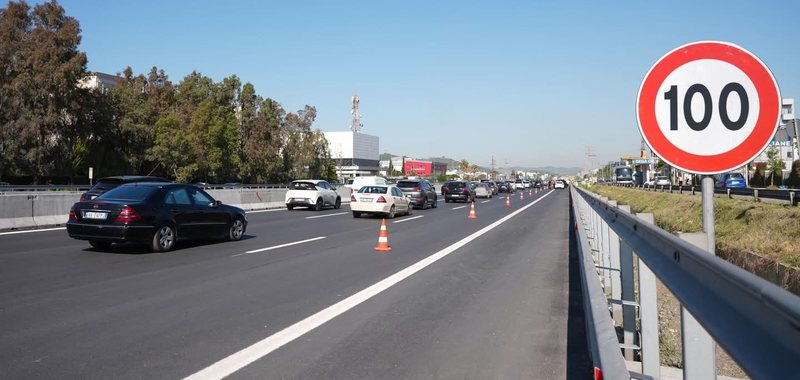
ARRSH opens the procedure: 6 pedestrian overpasses will be built in the first kilometers of the Tirana-Durrës highway
Six pedestrian overpasses will be built along the first kilometers of the Tirana-Durres highway. Following the completion of the works to expand the road......

Tirana returns to the capital of world architecture - Over 600 experts at the Bread and Heart Festival.
Tirana welcomed this week the second edition of the Bread and Heart Festival, an international event that brought hundreds of architects, urban planners and......
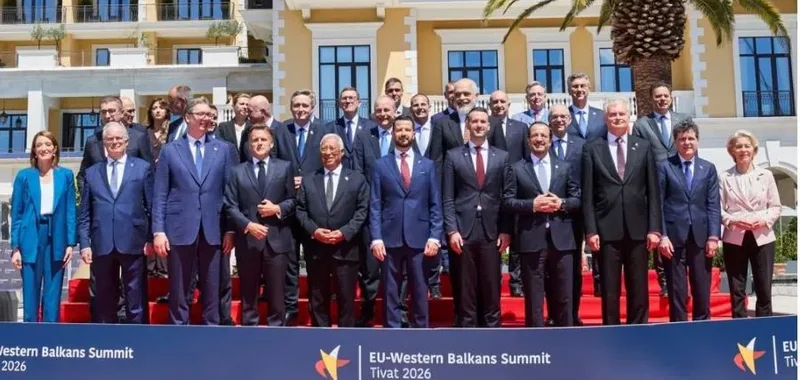
Summit in Tivat/ Rama: Albania is seen as the country closest to EU membership
The European Union-Western Balkans Summit held in Tivat, Montenegro confirmed Albania's progress on the path towards European integration. In his comments......
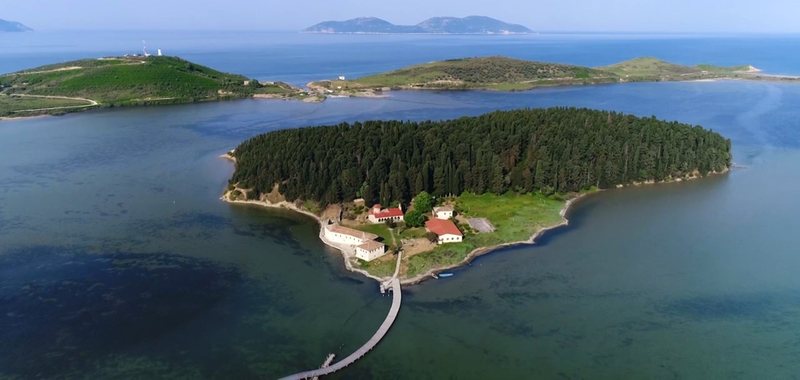
Rama on the project in Zvërnec: The investment will be realized, it is a blessing for the Albanian economy
Prime Minister Edi Rama has defended the strategic investment project in the Zvërnec area, stating that it will move forward and that it represents an......
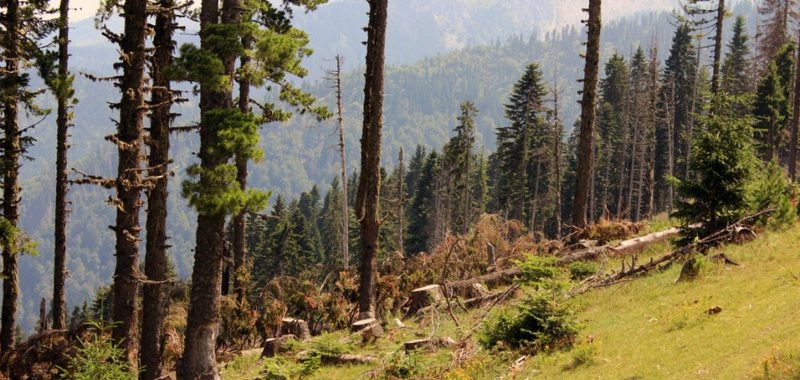
Albania takes the lead of Forest Europe - Rama: From illegal logging to European leadership for forests
Albania has been unanimously elected to lead Forest Europe for the 2026-2030 mandate, taking over from Sweden in the most important pan-European organization......

Albanians invest in their homes, but not in their insurance - The property insurance market remains many times smaller than that of other countries
Albanians continue to under-insure their property compared to other Central and Eastern European countries. Data from the latest Xprimm report shows that......