

How much money do municipalities earn from hotels? Tourism revenues increase, more formalization

Municipalities are collecting more revenue from hotel accommodation taxes, influenced by the increase in the number of tourists in Albania and the anti-informality reform, despite the fact that undeclaration in accommodation structures in the country remains an ongoing concern.
Referring to data from the local finance report for 2025, revenues from hotel accommodation tax have increased progressively, but the potential is higher.
Specifically, the hotel accommodation tax has increased from 98.6 million lek in 2015 to 736 million lek or 7.8 million euros in 2025.
In other words, the growth in a decade is +646%, reflecting the expansion of tourism activity and the improvement in the level of formalization in the accommodation sector.
The taxable base for hotel accommodation is the price paid for accommodation, which can be expressed as the price per room or the price per person/night. The tax rate is up to 5% of the payment for accommodation. This tax liability is calculated by multiplying the tax rate approved by the municipality by the accommodation fee per night, according to the nights of accommodation in the hotel. The invoice issued by the hotel includes the accommodation fee and the tax amount.
The calculation of this tax, based on the legislation in force, is made according to the division into two categories: 4-5 star Hotel Entities and Hotels, Guesthouses, Hostels, Motels and any other accommodation unit according to the definitions of the law on tourism in force. It usually varies from 35 - 350 lek / night / person, depending on the location of the municipality. This tax is paid by the client and collected by the accommodation structure, which then transfers it to the municipalities.
A worrying problem in the tourism sector is informality, which appears in various forms such as non-registration of accommodation structures or real capacities, non-declaration of nights of stay or declaration of fictitious numbers.
To combat tax evasion and the discrepancy between the number of tourists and sales, last year the government adopted a decision according to which accommodation structures must declare no less than 65% sales of their capacities during the period May 1-September 30 and no less than 30% from the period October 1-April 30.
On the other hand, data from the short-term rental accommodation market shows that there are currently over 18,200 active short-term rental units listed on various booking platforms.

Insurance market record profit, over 3.5 billion lek/ TPL product with growth of over 13%. How did Bonus-Malus affect?
Tregu i sigurimeve në Shqipëri shënoi rezultat rekord prej 3,54 miliardë lekësh (rreth 36,6 milionë euro) në vitin 2025, duke u rritur me 55,8% krahasuar me......
Pogradec, të çohesh në orën 5:00 të zësh çadër/ Destinacioni liqenor i preferuari i kësaj vere, bum pushuesish
“Nuk gjen vende fare, duhet të ccohesh që në orën pesë". Kështu thotë një pushues që ka zgjedhur Pogradecin si destinacion këtë sezon veror. Edhe këtë vit......
Albania improves financial inclusion/ OECD: Microfinance development and new strategic framework have influenced its growth
Albanian microfinance is increasingly developing, while this consolidation and the drafting of a new strategic framework have influenced the further increase......
SEPA "changes" Albania, 70 million euros of benefits expected/ Foundation: It goes above 2% of GDP, BoA assessment by the end of 2026
By 2026, the economic benefit from the costs of SEPA transactions is expected to be around 70 million euros. The Director of the Monetary Policy Department......
Kosovo's trade deficit increases 16% in June/ Exports 102 million euros, only 15% of imports covered
Kosovo's trade deficit increased by 16.1 percent in June 2026, compared to the same period in 2025, reaching 578.3 million euros. Exports covered only 15......
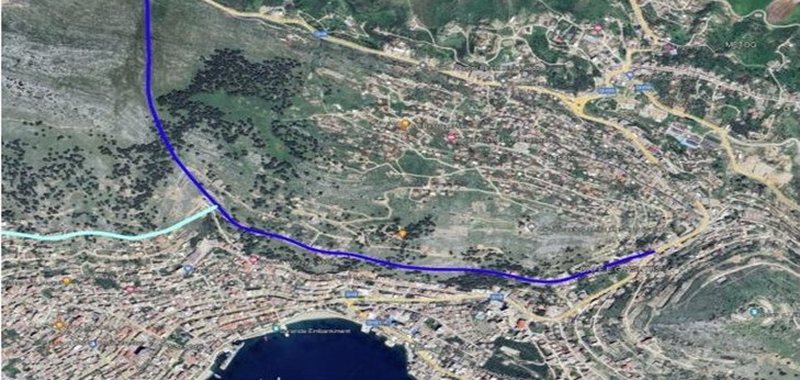
Works on the Saranda Bypass are progressing at a rapid pace/ Investment of 34 million euros, aimed at facilitating vehicle traffic
The construction works for the Saranda Bypass continue at an intensive pace, while the project is taking shape day by day. With a length of about 5......
KPP, complaints about locals dominate/ Local institutions lead with contested procedures
Over 142 million lekë were saved in the state budget during June, as a result of the decision-making of the Public Procurement Commission. The data from the......
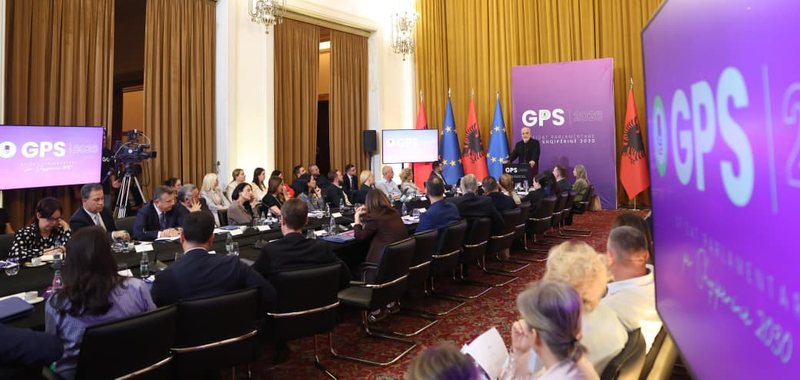
"Governance must start from the expectations of citizens" - Rama: Changes to the law on protected areas, in accordance with European Directives
Governance must be built on the expectations of citizens, even though their expectations are greater than the government's ability to respond to them. This......