

How did the idea for the EU come about? May 9th Europe Day - Today the EU includes 27 countries with about one billion citizens

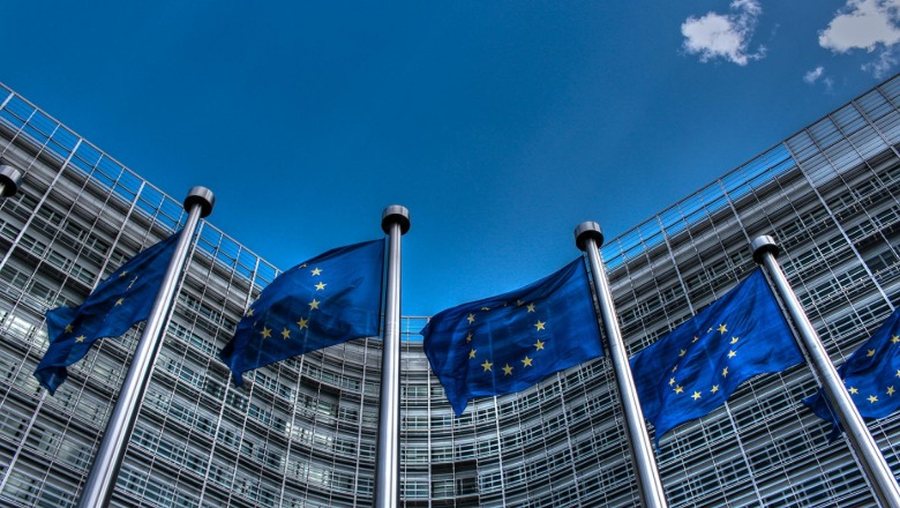
On May 9, the EU honors former French Foreign Minister Robert Schuman, who formulated the idea of the EU on May 9, 1950. Since 1985, heads of state and government have decided to celebrate May 9 as Europe Day.
On 23 July 1952, the Montanunion came into force in Europe. The European Coal and Steel Community was the nucleus of the European Economic Community, which was established in 1957 with the Treaties of Rome. The European Economic Community gave rise to the European Union in the early 1990s. The Montanunion, which included France, Italy, Germany, Belgium, the Netherlands and Luxembourg, was proposed by the then French Foreign Minister Robert Schuman.
The Schuman Plan and the subsequent establishment of the Montanunion are today considered the birth of the European Community, because in his statement the French Foreign Minister foresaw the subsequent integration of other member states. He was convinced that the Montanunion would lead to a larger and stronger Union: "This proposal brings into being for the first time a European federation, which is essential for the security of peace."
However, in the early 1950s, the time was not yet ripe for Schuman's expansion plans. Two years later, he resigned as Foreign Minister because he was unable to realize the idea of the European Community. It took another seven years before the European countries were ready to commit to closer ties through the Treaty of Rome. But Schuman's efforts were rewarded: He became the first President of the European Parliament.
Adenauer later said that Schuman had already been a great European visionary in 1950: "He saw further than I did when he proposed the Montanunion. Don't think that he proposed the Montanunion for economic reasons! It was an important political issue."
And it was the beginning of a deepening union, which today includes 27 countries with around a billion citizens. The Montanunion no longer exists. The original 1952 agreement expired after 50 years. The Montanunion rules continued in 2002 in the new EU agreements.

The program that rebuilt schools after the earthquake ends - From Kavaja to Shijak, 63 educational facilities were transformed with EU support
The largest European Union program for education in Albania, “EU4Schools”, which was implemented for 6 consecutive years by UNDP, the United Nations......
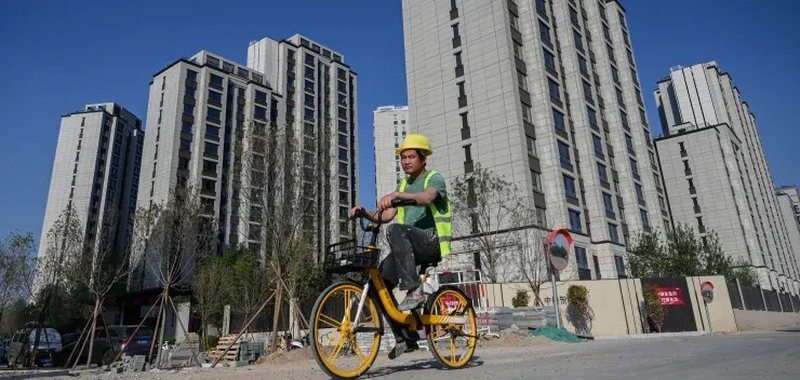
China's exports grew strongly in April - Foreign orders hit their highest level in two years
China's export growth accelerated in April as factories rushed to fill a wave of orders from foreign buyers looking to stockpile goods amid fears that the......
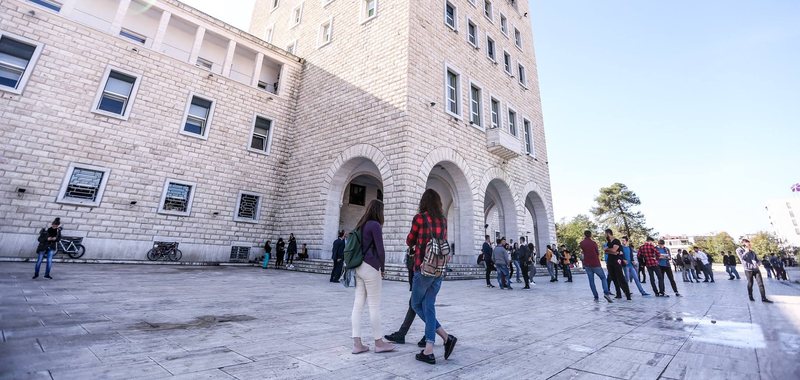
How will the curricula in universities be changed? - Hasalla: An accurate analysis of the labor market is needed
The new action plan for higher education policies 2030 also includes the review of university curricula. It is envisaged to review existing programs and......
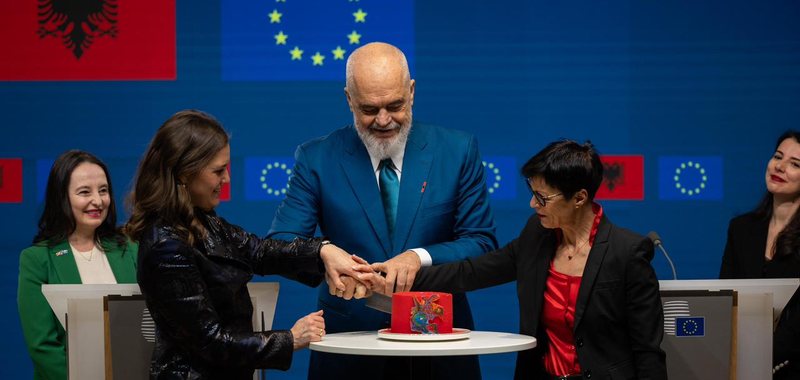
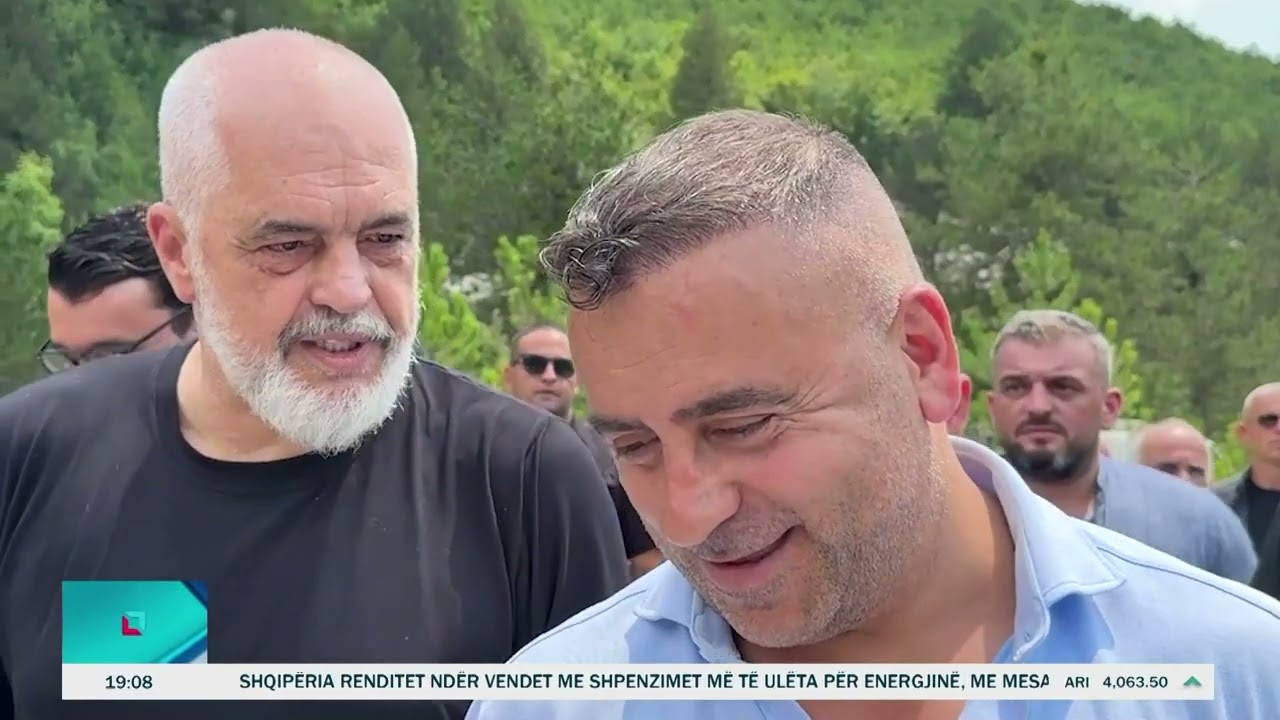
Europe Day, Prime Minister Edi Rama: Albania is closer than ever to the European family
Prime Minister Edi Rama started today with a greeting for Europe Day. In a post shared on social media, the head of government stated that currently "Albania......
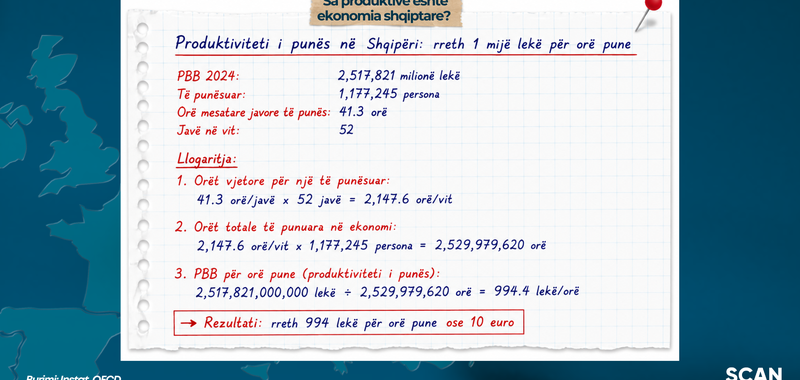
How productive is the Albanian economy? Albanians work long hours, but produce only 995 lek per hour
The Albanian economy generated an average of around 995 lek for each hour worked during 2024, according to a calculation based on official INSTAT data on......
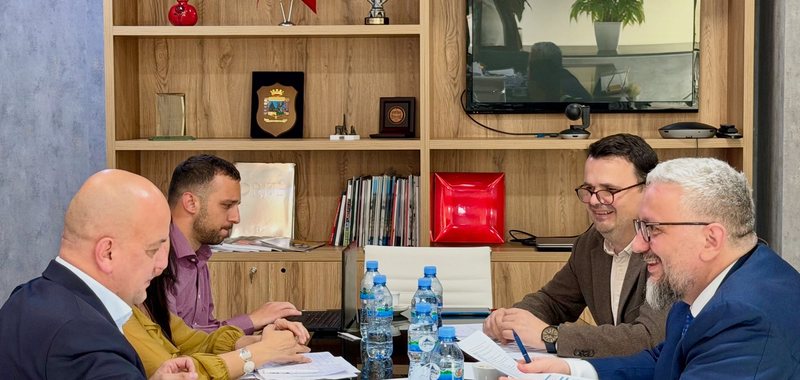
Taxes and the EU discuss the objectives of the Growth Plan and the fight against evasion
The Director General of the Tax Administration, Ilir Binaj, held a working meeting with representatives of the European Union Delegation to Albania, where......
Businesses received 253 million euros in VAT refunds/ 1649 requests were approved, average processing time 31 days
Businesses under the VAT regime have received back 25.3 billion lek or approximately 253 million euros from the state budget in the form of reimbursement......
New energy projects, 2.8 gigawatts - ERE: Need for investments in the transmission network, OST has planned 16 billion lek
Around 2.8 gigawatts of new energy capacity is expected to be added to the Albanian electricity system in the coming years, as projects are increasing......