

Mathematics, a problem without a solution! More students in technology, but higher graduation in health


Technology, health and education fields are showing the highest graduation rates in Albanian universities, while natural sciences and engineering continue to lag behind. This is according to an analysis of INSTAT data on registered and graduated students by field of study.
"Scan Intel", to create a comparative indicator, compared graduates of the 2024-2025 academic year with students enrolled in 2021-2022, a period that roughly coincides with the average duration of higher education cycles.
However, it should be noted that the data do not indicate an exact graduation rate. Enrollment statistics include all students active in the system, not just those entering university for the first time, which means that the total includes students of different years, repeaters, master's programs and extended studies. For this reason, the reports should be read as indicative indicators of the graduation rate.
According to calculations, “Educational Sciences” has the highest ratio, around 29.5%, followed by “Health and Welfare” with 29.3% and “Information and Communication Technology” with 29.2%.
These are also the branches that have attracted the most students in recent years, driven by high demand in the labor market and opportunities for employment abroad.
On the other hand, “Natural Sciences, Mathematics and Statistics” presents the lowest result. Of the 4,553 students enrolled in 2021-2022, only 522 graduated in 2024-2025, or about 11.5%. So, it seems that mathematics no longer produces a diploma.
"Engineering, manufacturing and construction" also show lower rates, at around 18%.
Meanwhile, the largest field in universities remains "Business, Administration and Law", with over 32 thousand registered students, but with an indicative graduation ratio of around 21%. In total, Albanian universities had over 123 thousand registered students in 2021-2022, while the number of graduates in 2024-2025 is around 28,900.
Although statistics do not allow for measuring exactly how many students from a generation manage to graduate, the data clearly shows that fields related to the labor market, especially technology and health, are producing more graduates, while scientific and technical programs continue to have lower completion rates.
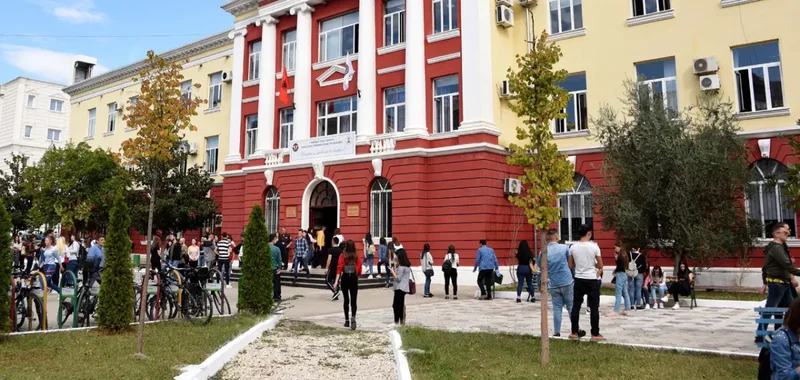
Girls "conquer" the auditoriums in Albania/ Over 56% of Bachelor's and 67% of Master's students are women
The number of pupils and students in Albania has decreased during the academic year 2025-2026. According to the latest data published by the Institute of......

Rama: Albania - EU Intergovernmental Conference on May 26 opens the final phase of membership negotiations
Prime Minister Rama reacted this morning regarding the passing of the technical phase of the IBAR report, addressing the opposition that claimed that the......
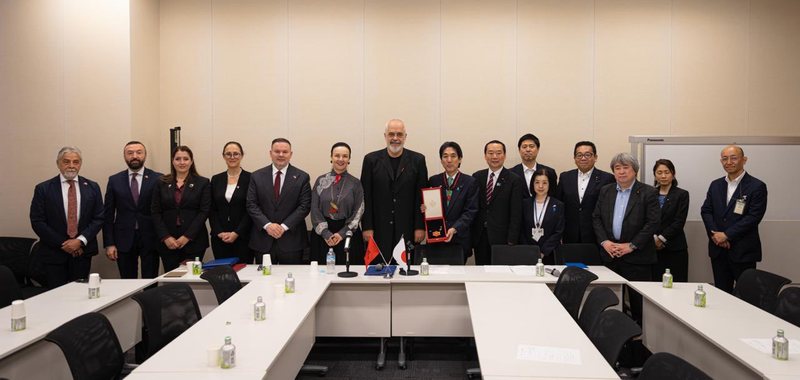
Rama meets with the Japan-Albania Parliamentary Friendship League: We work to increase exchanges between the two countries
Prime Minister Edi Rama, after his official visit to South Korea, visited Japan. During the visit to Tokyo, the head of government held a meeting with the......
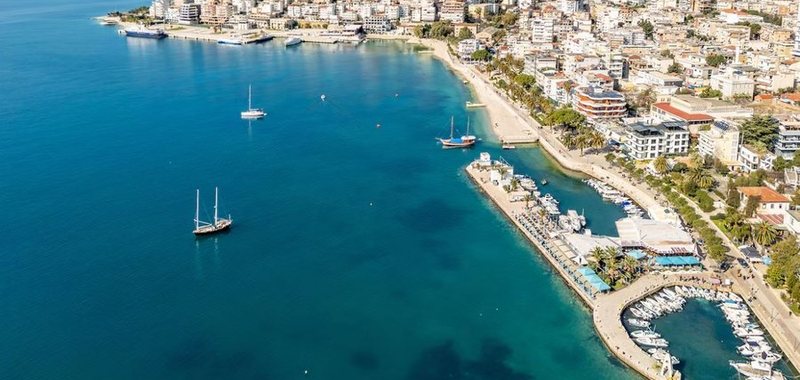
Property prices in the south, towards a new record / Himara and Vlora are expected to benefit from the new wave of investments
Some of Albania's most popular areas will continue to see strong property price growth over the coming years. Tourism development, infrastructure investments......

How much are businesses helped through low-interest loans? - Sefa: Before applying, they must have a correct business plan
The Albanian government and the banking system have signed a partnership for the financing program for small and medium-sized enterprises. This scheme aims......

Municipal taxes and fees are waived, who benefits? - From the obligations on the building, land and use of public spaces
Businesses that have unpaid local taxes, fines, and late payment interest will benefit from the amnesty law. The Law on the Forgiveness and Extinction of......
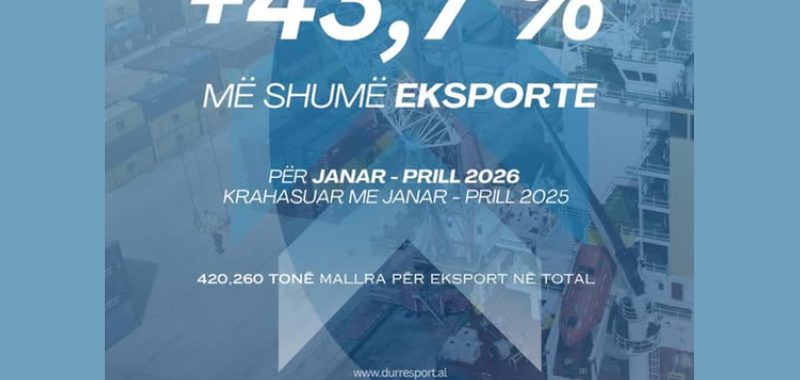
Trade activity increases in the Port of Durres - APD: 43.7% more exports than a year ago
The Durres Port Authority announces that the first four months of 2026 have brought a positive performance for commercial activity and the local economy......

"EU, no return to Russian oil and gas" - Economy Chief Dombrovskis: We must strengthen sanctions
European Commissioner for Economy, Valdis Dombrovskis, said the EU "should not" seek help from fossil fuels and cheap Russian gas as the energy crisis......