

Albania starts the year with negative natural increase/ Deaths exceed births by 368. Gjirokastra, with the biggest drop

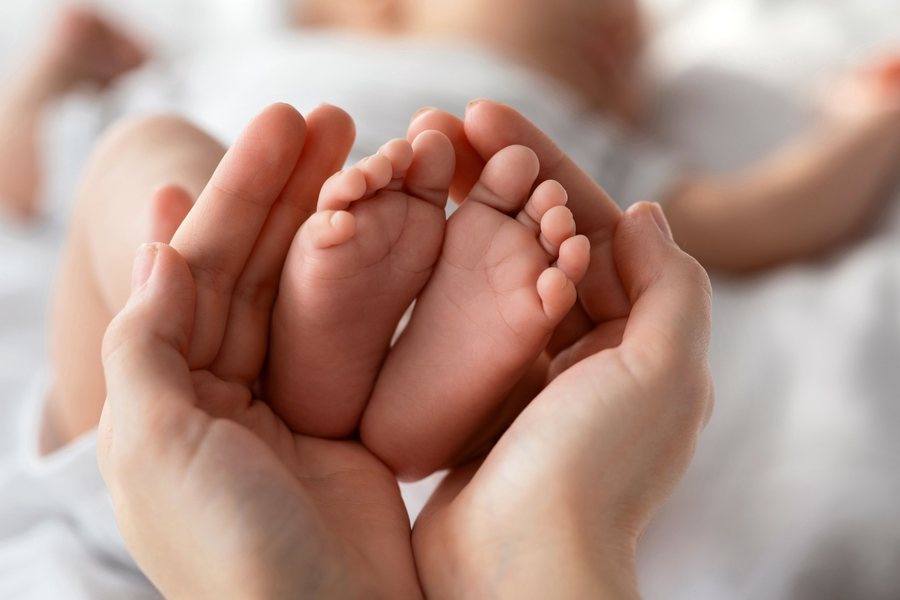
Albania's population is facing contraction year after year, mainly due to a decrease in the number of births and high emigration. Demographic data published by the "Institute of Statistics" show that in 2025 the lowest number of births in more than 3 decades was recorded, thus breaking the negative record of recent years. The decline in the number of babies compared to 1990 is estimated at 73%. Last year, about 22 thousand births were registered in Albania, marking a decrease of 3.3% compared to 2024.
On the other hand, 21,394 deaths were recorded, while the difference between them produced a natural increase of only 1,147 inhabitants, significantly lower compared to the previous year.
The most worrying signals come from the beginning of 2026. In the first quarter of the year, 5,146 births and 5,514 deaths were recorded, causing the natural increase to be negative with 368 more people losing their lives than babies being born.
However, compared to the same period last year, INSTAT evidences a slight increase in births by 1%, while deaths fell by 7.4%.
Tirana remains the region with the highest number of births in the country. During 2025 alone, 10,866 births were registered there, while in the first quarter of 2026, 2,438 babies were registered. On the other hand, Gjirokastra is the region with the lowest number of births, with only 292 during 2025 and 59 in the first three months of this year.
The decline in births has spread almost throughout the country. During 2025, 11 regions recorded a decrease in births and only Tirana had an increase, by 20.7%. While Dibra recorded the strongest decline, with 37.7% fewer births compared to the previous year.
In the first quarter of 2026, the situation appears somewhat more mixed. Six regions recorded an increase in births, one region remained at the same levels, and five regions recorded a decrease. The largest increase was recorded in Berat with 14.5%, while the largest decrease was in Gjirokastër with 23.4%.
Dairy industry facing EU standards - Report on 253 entities. Government, ready a support plan for the sector
Entities operating in the dairy industry must meet the standards required by the European Union in order to survive in the market after integration. The......
Why does milk cost us so much? Small farms/ A cow in the EU produces 2.5 times more than in Albania
Albania's European integration will require higher standards in food safety, traceability, hygiene and raw material quality. For the dairy sector this is a......
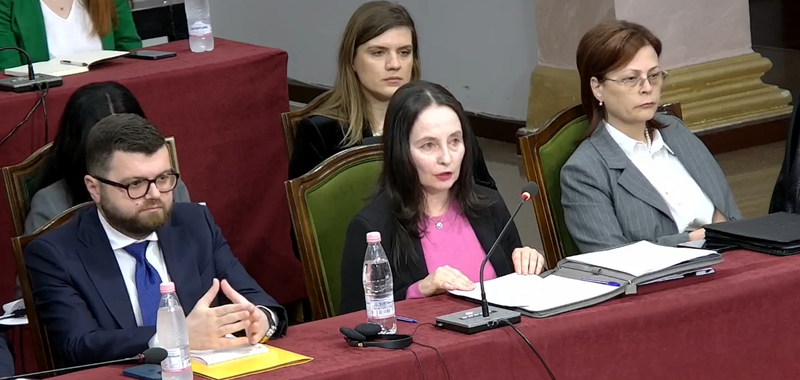
"Negotiations for 3 chapters with the EU, towards closure" - Chief Negotiator: Foreign relations, scientific research and education, the most advanced
For the chapter on foreign relations, scientific research, education and culture, Albania has met the conditions for closing negotiations with the EU. This......
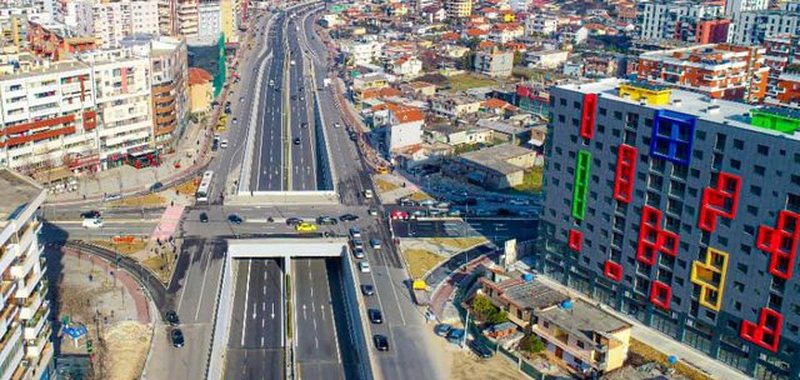
House as a form of business, where is it worth buying in Tirana? Apartments in the suburbs are recovering the investment faster than luxury areas
Buying an apartment continues to be one of the most popular forms of investment for Albanians, especially in Tirana, where the real estate market has seen......
Controlling Iranian money laundering schemes - US Treasury asks domestic banks to increase vigilance
In an effort to dismantle sophisticated financial systems used by Iran to circumvent international trade restrictions and pressure Tehran into a deal, the US......
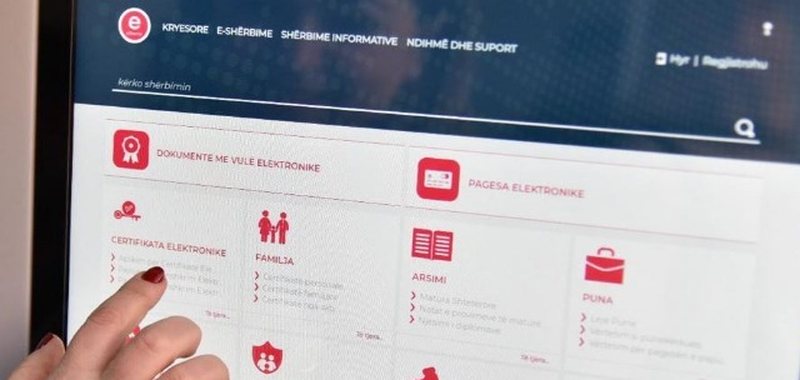
Digital transformation continues, interactions increase in e-albania/ Over 44 million transactions were carried out during April
The e-Albania government platform continues to remain one of the main tools for citizens to receive public services online. During April 2026, statistics......
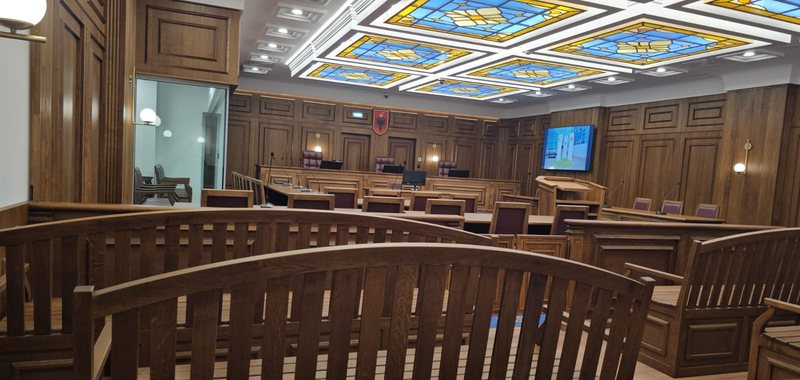
AAPSK financed the reconstruction of the GJKKO premises with 104.2 million lekë
The new premises of the Special Court Against Corruption and Organized Crime (SCOC), inaugurated on Monday, were built thanks to financial support provided by......
Where do people work the most on weekends? - Balkan and Mediterranean countries lead
More than one in five workers across Europe, 21.3%, regularly work shifts on Saturdays and Sundays, according to the latest Eurostat data. In some countries,......