

The World Cup did not boost Mexico's economy - According to analysts, the impact was very localized

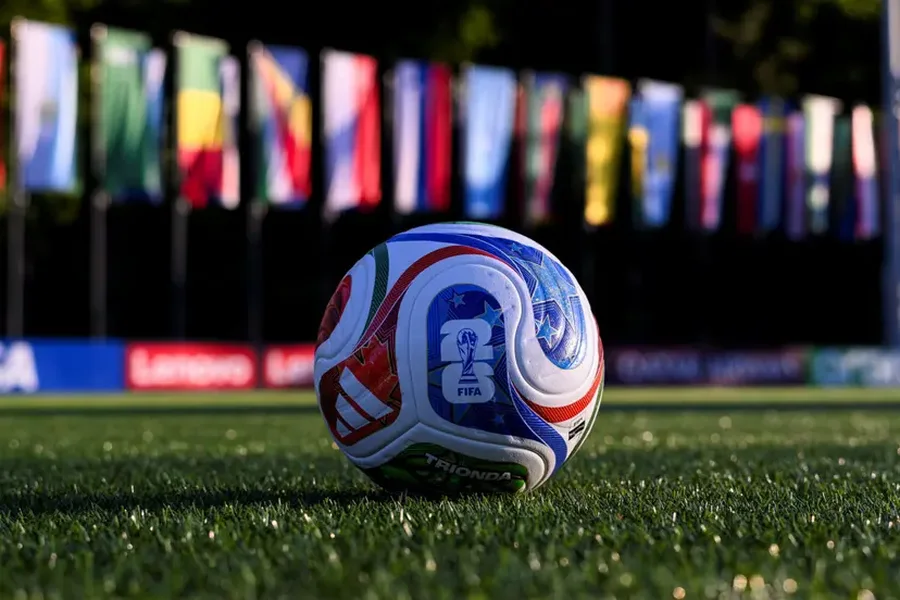
The World Cup filled stadiums with fans in Mexico but failed to lift a sluggish economy weighed down by weak investment and uncertainty over the upcoming review of the North American Free Trade Agreement (USMCA).
Mexico hosted 13 of the tournament's 104 matches. However, it fell short of the ambitious official tourism targets aimed at boosting gross domestic product (GDP), which shrank in the first quarter.
Analysts said the tournament would provide only a short-term boost to an economy that the government expects to grow between 1.8% and 2.8% this year, compared with analysts' forecasts of 1.1%. The economic impact was largely localized. They cut their estimate for the World Cup's contribution to GDP to 0.4%-0.5%, from a previous forecast of 0.62%.
Ratings firm Banamex estimated the total economic impact at $2 billion, about 0.1% of GDP. Deloitte predicted the competition created 100,000 temporary jobs, 10% less than its previous estimate. Meanwhile, BBVA reported that its household consumption indicator fell 0.2% month-on-month in June, with spending on hotels falling 10.5% and restaurants down 4.9%, despite a 16.5% increase in entertainment.
The gains were uneven across the host cities of Mexico City, Guadalajara and Monterrey. The Mexican Restaurant Association reported that half of its restaurants performed worse than in a typical week due to low hotel occupancy and local protests in the capital. Passenger traffic rose slightly in June in Guadalajara and Monterrey, but fell at Mexico City's main airport.
With companies holding back investment ahead of the trade pact review and the economy shrinking by 0.6% in the first quarter, the IMF has cut its forecast for Mexico's economic growth to 1.2%, from 1.6%.
Municipalities invest only 20% of the budget for citizens - 80% of local finances are used for salaries and operating expenses
Although financial resources have increased overall for all municipalities in the country, the structure of expenditures by municipality is problematic.......
Funds for the "Double Your Entrepreneurship" program are increased - Malaj: The Sovereign Guarantee has increased from 3 billion lek to 5 billion lek
The Minister of Finance, Petrit Malaj, participated in the presentation activity of the National Program "Double Your Entrepreneurship". During his speech,......
Chapter 26 closes, reforms continue - Osmani: We will continue to report to the EU
Albania has recently closed the first 3 chapters of negotiations with the European Union. One of them is Chapter 26, on Education and Culture. In an......
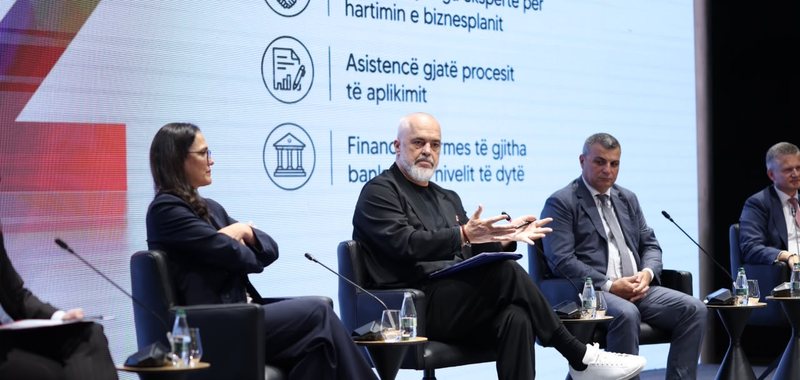
"Double your entrepreneurship", financing for businesses - Rama: Up to 2 million euros in support for small and medium-sized enterprises
Financial support for small and medium-sized businesses, with the aim of enabling them to expand their activity and move to a new level of investment. This......
Albania prepares for digital lek - The new currency will have the same value as the regular lek, but will exist electronically
The digital Lek could be one of the biggest innovations brought by the new draft law for the Bank of Albania. For the first time, the law provides that, in......
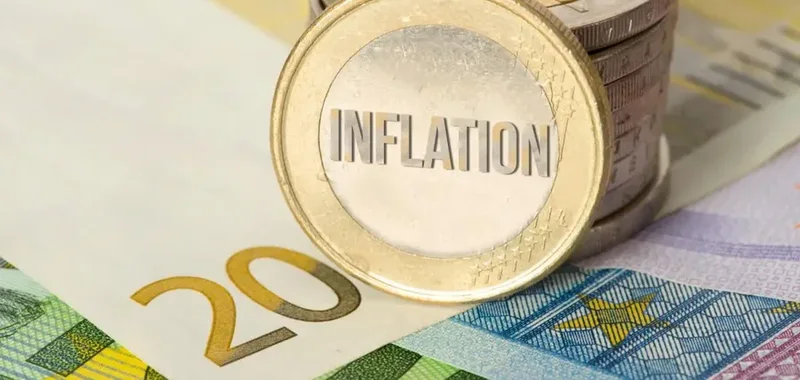
Albania above the EU average, inflation reaches 3.2%/ Entertainment becomes more expensive by over 10%, food takes the main hit
The Harmonized Index of Consumer Prices, which allows for the measurement of inflation according to the European method, was recorded at 3.2% in Albania......
Albania welcomed 12.4% more visitors in May/ The southern region marked a high increase in the number of tourists. Italians lead the way
The tourism sector in Albania continued to record positive results during May 2026. According to data published by INSTAT, the number of visitors......
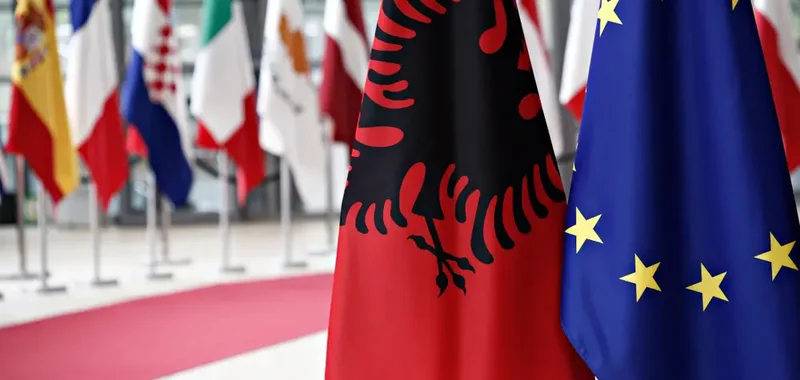
How did Albania manage to close negotiations on 3 chapters with the EU? - The country is required to increase public spending on education, research and science
A few days ago, Albania would have marked the closure of negotiations on 3 chapters of the body of European legislation, research and science, education and......