

EU sees Chinese technology as a risk - Solar inverters made in China, a threat to the security of the energy grid

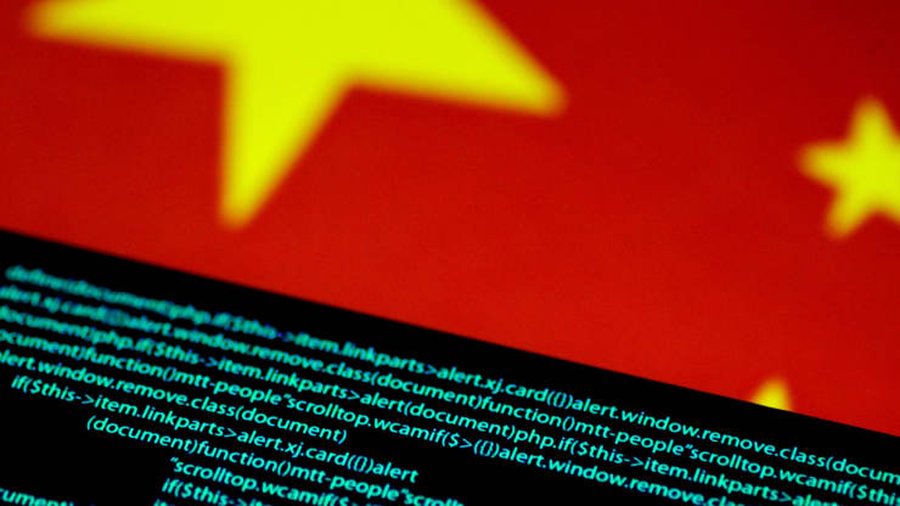
The European Commission has taken steps to block financing for Chinese-made solar technology, over fears it could pose a threat to the security of Europe's electricity grid and even cause major power outages. The decision reflects growing concern in Brussels that Europe's reliance on Chinese green technology makes the European Union more vulnerable to security risks.
The funding ban focuses on solar inverters, which are often described as the brains of solar power generation systems. These inverters are devices that convert solar energy into usable electricity. They are connected to the internet and can often be controlled remotely for maintenance and software updates.
In 2024, 61 percent of all inverters imported into Europe came from China. Huawei and Sungrow are two inverter manufacturers that dominate not only the European but also the global market. Several Chinese manufacturers have supplied equipment for more than 220 gigawatts of installed solar capacity in Europe.
There are no known cases of Chinese-made inverters being used to shut down parts of the European grid. However, concerns were raised after Reuters reported in 2025 that US energy officials had discovered suspicious communications devices inside some Chinese-made inverters.
The inverter debate comes as Europe is reconsidering its reliance on Chinese imports of clean energy technology. China accounts for 98 percent of Europe's solar panel imports and 88 percent of its lithium-ion battery imports, according to data from the Lum Group. The group has warned that remote access features in grid-connected energy technologies could create potential vulnerabilities in power systems.
Brussels is increasingly taking a tougher stance on Chinese imports that are seen as a security risk or a threat to European industry. In March, the European Commission introduced the Industrial Acceleration Act, which aims to direct more funding towards European green technologies, including batteries and electric vehicles.
The Commission has also presented a revision of the Cybersecurity Act, which will give Brussels greater powers to restrict Chinese companies from accessing critical infrastructure, such as communications or energy supplies across the European Union.
Currently, 80 percent of new solar systems in Europe rely on Chinese inverters, according to the European Solar Equipment Manufacturing Council. If Chinese suppliers withdraw from meeting European demand, European manufacturers will have to fill a significant gap.
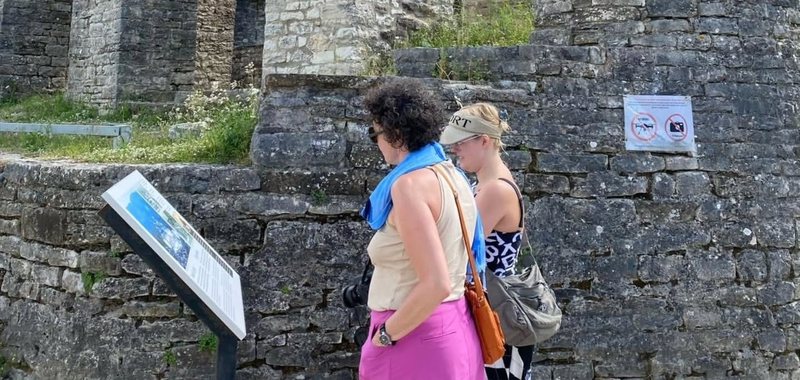
Cultural heritage, over 219 thousand visitors in 4 months - Gjirokastra Castle leads the number of domestic and foreign tourists
Interest in Albanian cultural heritage continues to increase significantly during 2026. The Minister of Tourism, Culture and Sports, Blendi Gonxhja, reports......
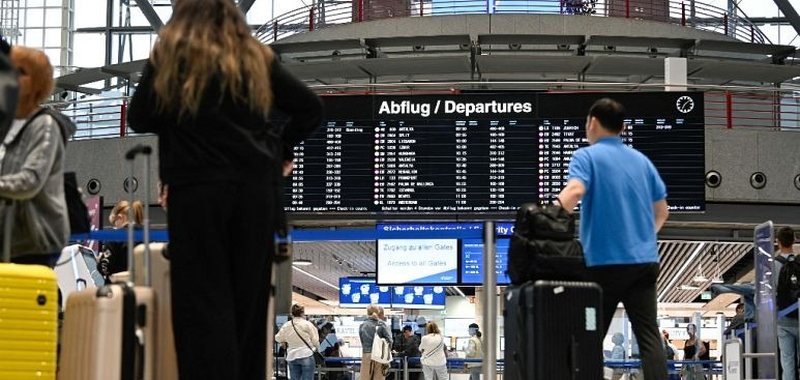
"Airfare hikes inevitable" - IATA chief: Rising fuel costs cannot be afforded
Top airline industry officials are warning that passengers will continue to pay more for flights for months as energy costs remain high. The director general......

"Fiscal Peace", the government approves procedures - Businesses with turnover over 14 million lek apply for e-Filing
Businesses with a turnover of over 14 million lek per year will be able to apply for the fiscal peace agreement through the electronic e-Filing system.......
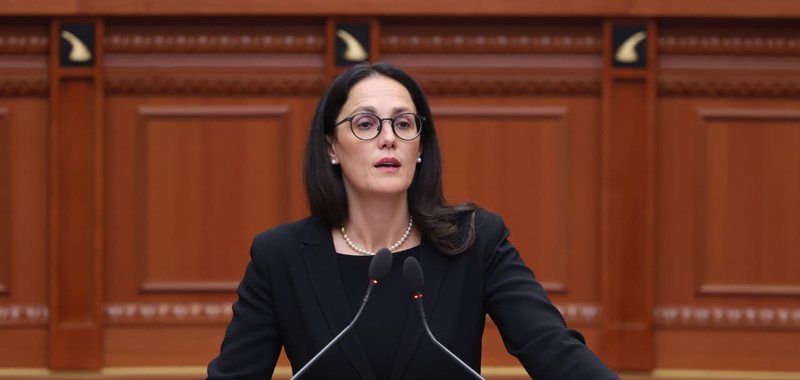
Ibrahimaj in interpellation in the Parliament: The government has curbed the impact of the fuel crisis on the economy
The Minister of Economy and Innovation, Delina Ibrahimaj, held an interpellation in Parliament today on the increase in fuel prices and the measures taken by......
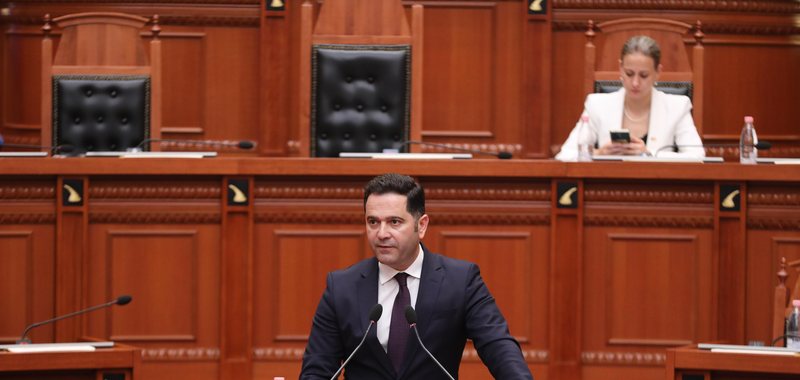
"Albania stronger economically and closer to the EU"/Malaj: State Department and EC reports confirm progress
The Minister of Finance, Petrit Malaj, stated today in Parliament that the US Department of State's report on the investment climate 2025 and the European......
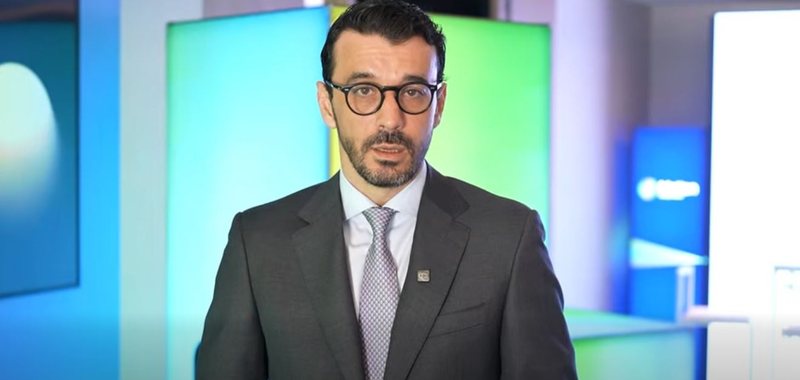
Energy, second interconnection line with Greece - Minister Karakaçi participates in the Energy Conference in Athens
The Minister of Infrastructure and Energy, Enea Karakaçi, participated in the Energy Conference, organized by the prestigious Financial Times, in Athens.......

14 thousand new smart meters - OSSH opens tender with 432 million lek fund, Tirana and Durrës included
With a limit fund of 432.3 million lek, the Distribution System Operator has opened the tender for the installation of a smart metering system for end......
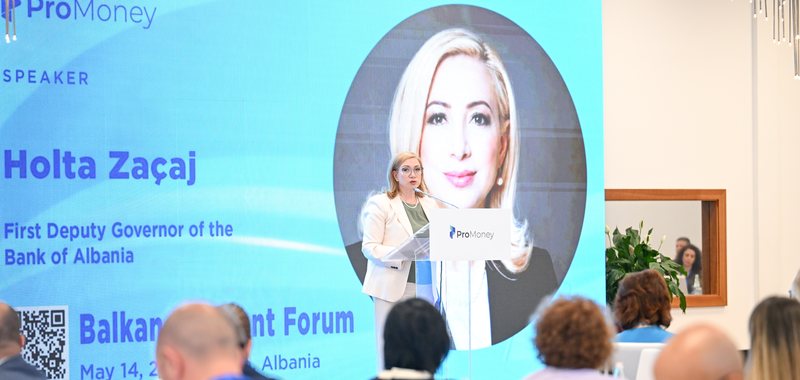
363 thousand transfers in euros with SEPA in 6 months - Zaçaj: The initial projections of the sector have been convincingly exceeded. 23-fold reduction in costs
In just six months, 363 thousand incoming and outgoing transfers have been made through the Single Euro Payments System, SEPA. This was stated by the First......