

Average gross wages across Europe - OECD report for 27 countries: Switzerland leads with 107,487 euros. Turkey 18,590 euros

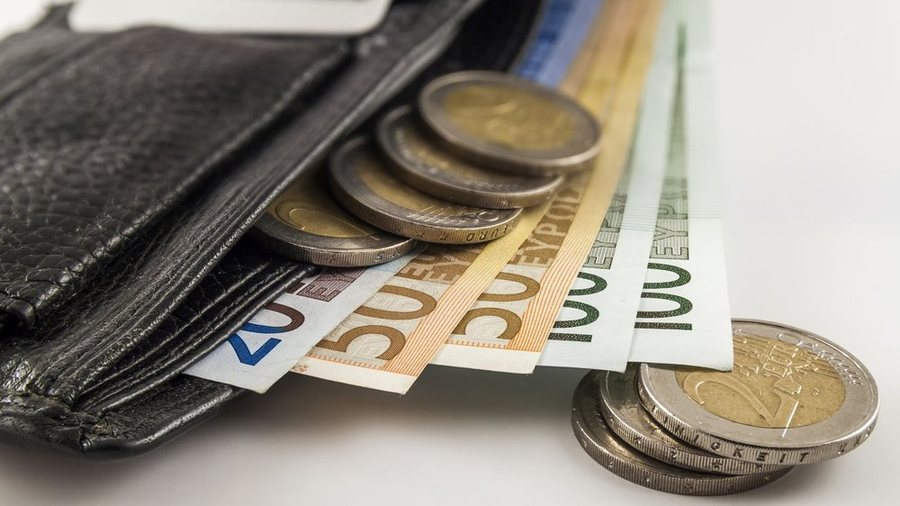
Average wages vary significantly across Europe, and when purchasing power is taken into account, the gap narrows. But the divide between the continent's highest and lowest-paid countries remains wide. According to the OECD report, average annual gross wages range from €18,590 in Turkey to €107,487 in Switzerland. The data covers 27 European countries, 22 of which are EU members.
Switzerland is the only country where average gross salaries exceed 100,000 euros. Iceland ranks second with 85,950 euros. Luxembourg leads the EU with 77,844 euros, ranking third. Among Europe's five largest economies, Germany leads with 66,700 euros, followed by the United Kingdom with 65,340 euros. Slovakia has the lowest annual salaries in the EU at 19,590 euros.
In nominal terms, Northern and Western European countries dominate the top end of the rankings. Southern and Eastern Europe remain at the bottom.
Experts from the International Labour Organization (ILO) say that changes in wages across Europe mainly reflect three factors: productivity and economic structure, labour market institutions and the cost of living.
Countries with high value-added sectors, such as finance and technology, tend to pay more, as do those with strong unions and collective bargaining. Higher price levels also generally push nominal wages up. In purchasing power terms, the wage gap across Europe is narrowing compared to nominal figures.
The average wage estimates refer to full-time employees working in selected industry sectors, mostly public. They cover most of the economy - including manufacturing, construction, retail, transportation, finance and other business services - but exclude agriculture, public administration, education and health.
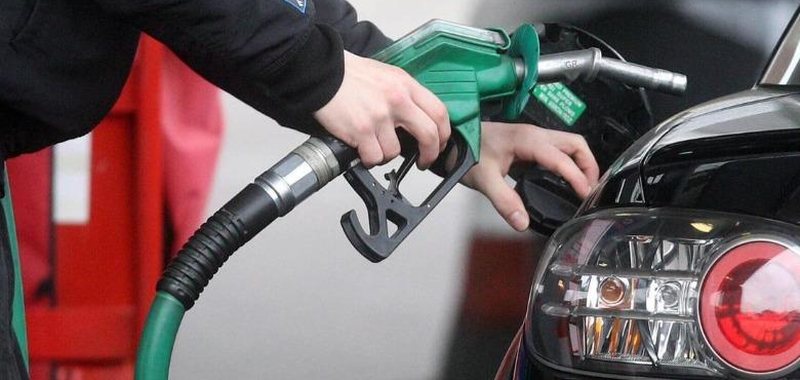
The Transparency Board sets new fuel prices: Diesel 198 lek/liter. Gasoline 185 lek/liter
The Transparency Board published this Friday the next decision on fuel price ceilings in the country, which entered into force on May 15, 2026, at 1:00......

How much "debt" do Albanians have? Around $2,000 in credit per capita, but still far from developed economies
Bank debt of individuals in Albania reached a record level in the first quarter of 2026. According to data from the "Bank of Albania", the total stock of......

Strong growth for the US Dollar – British Pound ends the week negatively
The US dollar closed the week positively, registering a significant increase compared to the previous day, as it was bought this morning at 81.4 lek and sold......

The working day could last over 8 hours! - The German government is drafting the bill. Unions are worried
The reform of Germany's working hours law is causing strong reactions, as Chancellor Friedrich Merz's government plans to relax the current eight-hour......

"Fantastic trade deal" - Trump's statements after the latest round of talks with Xi
US President Donald Trump said he had reached a "fantastic trade deal" with Chinese leader Xi Jinping as the two met on Friday for a second day of talks,......

EU sees Chinese technology as a risk - Solar inverters made in China, a threat to the security of the energy grid
The European Commission has taken steps to block financing for Chinese-made solar technology, over fears it could pose a threat to the security of Europe's......
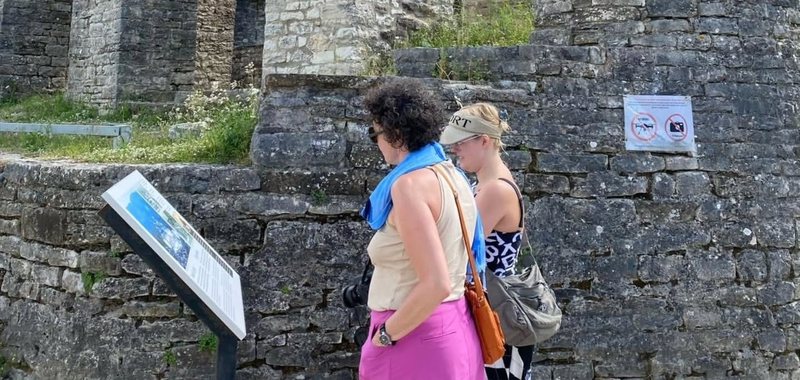
Cultural heritage, over 219 thousand visitors in 4 months - Gjirokastra Castle leads the number of domestic and foreign tourists
Interest in Albanian cultural heritage continues to increase significantly during 2026. The Minister of Tourism, Culture and Sports, Blendi Gonxhja, reports......
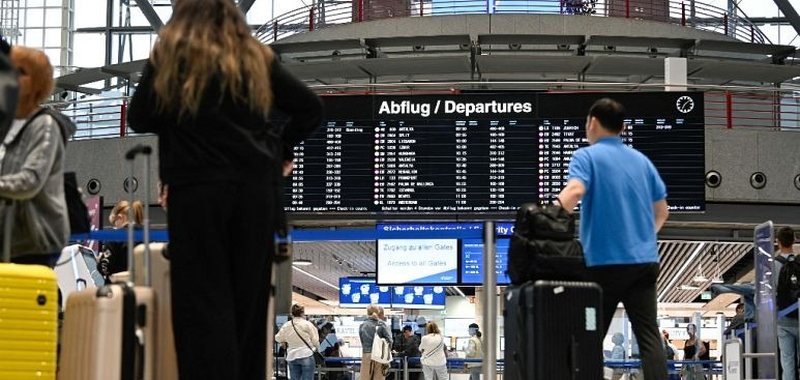
"Airfare hikes inevitable" - IATA chief: Rising fuel costs cannot be afforded
Top airline industry officials are warning that passengers will continue to pay more for flights for months as energy costs remain high. The director general......