

Kosovo goes to elections on Sunday - Country faces 3 possible scenarios, EU calls for agreement

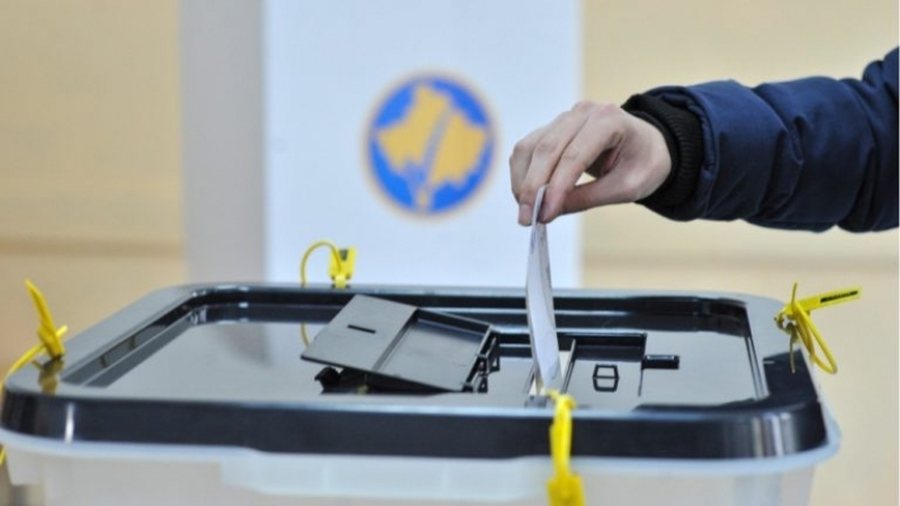
Kosovo will hold snap parliamentary elections on Sunday, its third in 18 months, after political parties failed to reach a compromise on a new president. Europe's newest country aspires to join the European Union but has been without a functioning government for much of last year after political parties failed to elect a new speaker of parliament and then a new president.
No public opinion polls have been conducted, but analysts predict a resounding victory for Prime Minister Albin Kurti's Vetëvendosje party. However, they say Kurti will need to reach a compromise with opposition parties to secure the two-thirds majority needed to elect a new president.
Kurti's party won 51.1% of the vote in the last elections on December 28, but could not reach an agreement with other parties on a candidate for the largely ceremonial presidency, prompting the dissolution of parliament in April and early elections.
Vetevendosje would need to win more than 60% of the vote to secure the election of its preferred candidates for speaker of parliament and president, which is an almost impossible scenario. Analysts say Kosovo faces three possible scenarios; the concentration of power in Vetevendosje, a forced compromise for the sake of the country, and a continued blockade. The European Union has urged politicians in Kosovo to create strong institutions that can implement the reforms needed to join the bloc. “The EU can support Kosovo, but it cannot do its homework,” said European Council President Antonio Costa during a visit to Pristina on Wednesday.
Kosovo's electoral commission has announced that more than 900 candidates from 17 parties and three coalition groups are running for 120 seats in parliament. About 2.1 million voters are registered, out of Kosovo's roughly 1.6 million inhabitants, due to the large diaspora, which is mainly located in Western Europe and tends to favor Kurti's party.

How is the Youth Grant affecting employment? - Hoxha: Coordination is needed, interest from young people is high
Recently, the government has approved changes to the decision regulating the implementation of the Employment and Skills Strategy, extending the Youth......
EU, less imported fossil fuels - Figures since the start of the war in the Middle East
The renewable energy boom in Europe has helped to insulate the continent from rising oil and gas prices - which remain volatile due to Iran's control of the......
Greece, 15% tax on cryptocurrency profits? - The goal is to include them in the country's tax code
Greece is preparing legislation to impose a 15% capital gains tax on cryptocurrencies, two government officials with knowledge of the matter told Reuters.......
Pay transparency in the EU - Which countries are ready for the new rules?
In much of Europe, workers still have limited information about what their jobs pay and how their wages compare to others doing similar work. The EU's Pay......
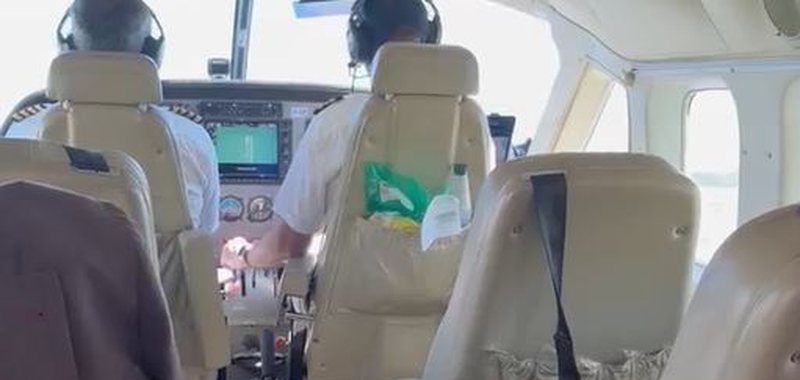
Gonxha travels by seaplane from Rinas to Pogradec: Lakes and the coast can turn into air tourism stations
The Minister of Economy, Culture and Innovation, Blendi Gonxhja, made a symbolic seaplane flight from Rinas International Airport to Lake Ohrid, as part of......

Albanians are reading more news online - Nordic countries dominate the rankings, Albania registers a slight increase in readers
The Internet is increasingly consolidated as the main source of information in the world and Albania. The latest data from Eurostat for 2025 show that 63.87%......
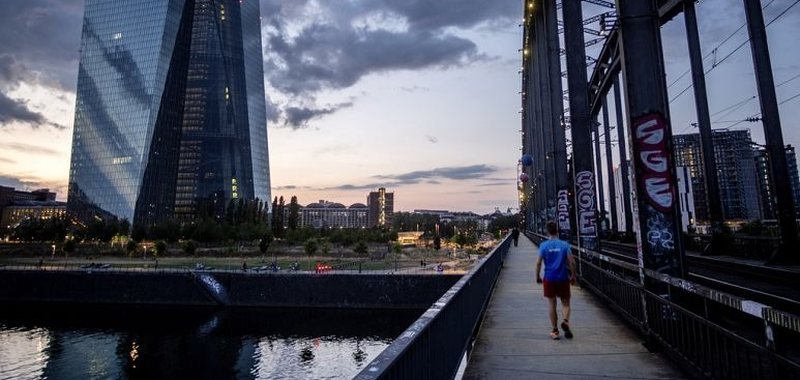
Eurozone economy in difficulty - GDP in the first quarter decreased by 0.2%
Seasonally adjusted Gross Domestic Product (GDP) for the first quarter decreased by 0.2 percent in the Eurozone and by 0.1 percent in the European Union......

Albanian industry towards a new growth model - 2026–2030 Plan for industrial transformation
Albanian industry is expected to take on a more important role in the country's economy during the years 2026–2030. The National Industrial Strategy aims to......