

Pay transparency in the EU - Which countries are ready for the new rules?


In much of Europe, workers still have limited information about what their jobs pay and how their wages compare to others doing similar work. The EU's Pay Transparency Directive aims to change this by requiring employers to become more transparent about wages and helping to strengthen the principle of equal pay for equal work.
The directive aims to help reduce the gender pay gap in the EU, which stands at 11%, meaning that women's gross hourly earnings are, on average, 11% lower than men's, according to Eurostat.
For many women, failure to implement the directive could have a direct impact on their income each year.
The European Trade Union Confederation (ETUC) estimates that failure to implement pay transparency would cost women at least €4.8 billion per year in the EU, potentially reaching €7.2 billion - equivalent to between €465 and €700 per woman per year. EU countries must implement the rules by 7 June 2026, but most are expected to miss the deadline after a three-year implementation period.
As of May 2026, six of the 27 EU countries have yet to take any action to implement the directive. These are Austria, Bulgaria, Croatia, Hungary, Luxembourg and Portugal. In September 2025, this figure was 10 countries.
While Sweden published a proposal, the government suspended it indefinitely in March 2026, citing the directive's heavy administrative burden on employers.
Germany is expected to update its legislation in 2026. In the Czech Republic, Finland, Greece, Slovenia and Spain, draft laws are expected to be adopted.
The sticking point for employers is not just the delay in German law. It's that they may have to make wage decisions, answer employee questions, and prepare for lawsuits at a time when the future standard is in sight but domestic regulation is not yet complete.
According to global employment platform Indeed, salary transparency in job postings has been steadily increasing in many European countries.
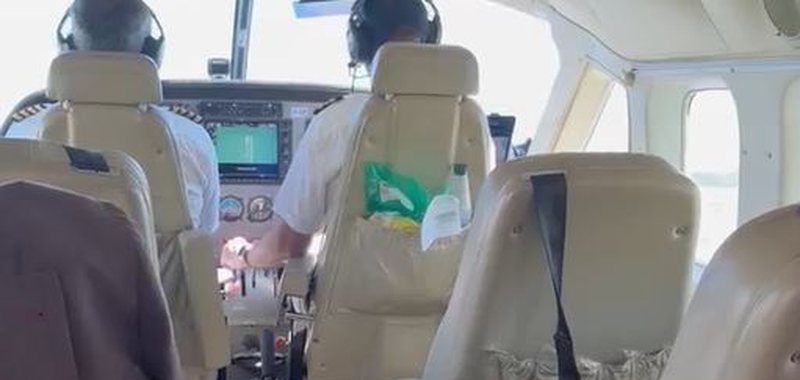
Gonxha travels by seaplane from Rinas to Pogradec: Lakes and the coast can turn into air tourism stations
The Minister of Economy, Culture and Innovation, Blendi Gonxhja, made a symbolic seaplane flight from Rinas International Airport to Lake Ohrid, as part of......

Albanians are reading more news online - Nordic countries dominate the rankings, Albania registers a slight increase in readers
The Internet is increasingly consolidated as the main source of information in the world and Albania. The latest data from Eurostat for 2025 show that 63.87%......
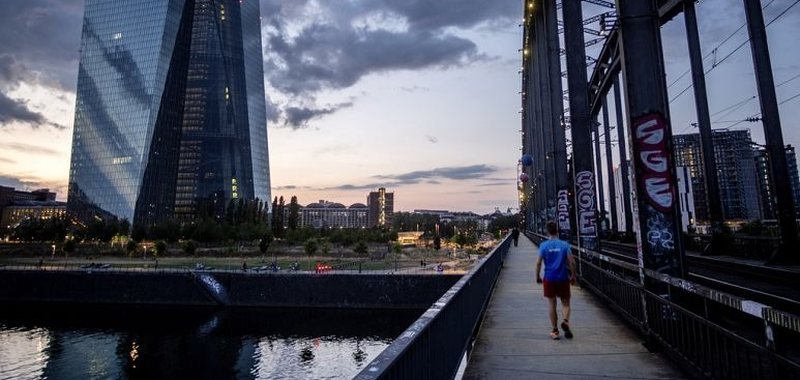
Eurozone economy in difficulty - GDP in the first quarter decreased by 0.2%
Seasonally adjusted Gross Domestic Product (GDP) for the first quarter decreased by 0.2 percent in the Eurozone and by 0.1 percent in the European Union......

Albanian industry towards a new growth model - 2026–2030 Plan for industrial transformation
Albanian industry is expected to take on a more important role in the country's economy during the years 2026–2030. The National Industrial Strategy aims to......
Businesses generated 1.4 billion euros more in turnover - Services, tourism and trade significantly increase enterprise income
Businesses in Albania have had positive activity during the first four months of the year. Official data from the Ministry of Finance shows that business......
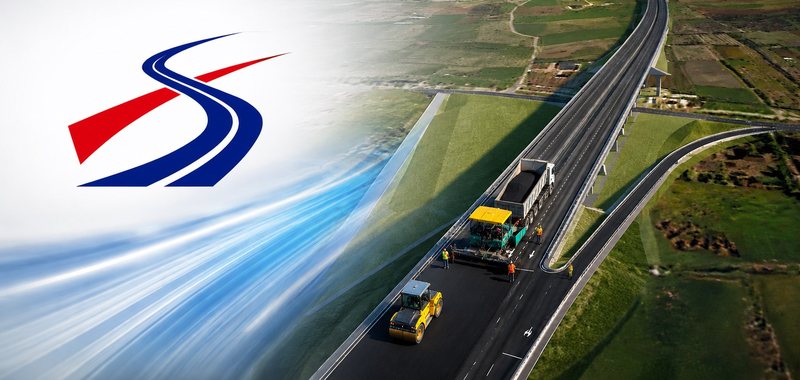
Who will build the Milot–Balldren highway? - Sallillari is announced the winner of the competition for the strategic infrastructure project
The Salillari Group has been announced the winner of the procedure for the construction of the Milot-Balldren highway, one of the most important segments of......
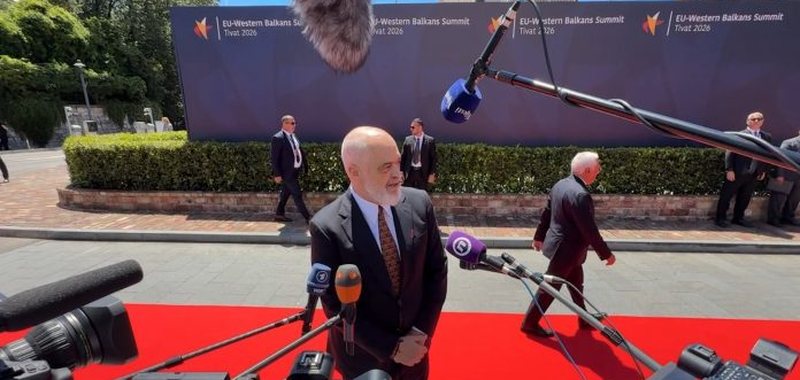
"EU to accelerate the integration of the Western Balkans" - Rama from the Summit: EU must be bolder about enlargement
Prime Minister Edi Rama calls on the EU to show more political courage and accelerate the integration of the Western Balkan countries, gradually including......

The winner for the Milot–Balldren highway is announced - One of the largest road projects in the country is about to start
The winner of the competition for the construction of the Milot-Balldren road axis has been announced, bringing one of the most important infrastructure......