

1 billion euros for the pension scheme - Half of the year ends with high performance, more space for pensioners


Income in the pension scheme has resulted in continuous growth, creating more space for financial support for pensioners and beneficiaries in need.
In the first half of the year, employees in the country have paid approximately 99.2 billion lek or about 1 billion euros into the state coffers as contributions to the social and health insurance scheme.
Specifically, in the period January-June 2026, revenues from this item were realized at 102.8% of the plan. Official data from the Ministry of Finance show that in the first half of the year, 11.6 billion lek or 124 million euros more were collected. Expressed as a percentage, the increase is 13.3% more than in the first half of 2025.
On the other hand, this figure is a record in the last decade, as in 2016, income from contributions amounted to 38 billion lek, which shows that despite the increase in the number of pensioners over the years and the pressure on the scheme, the increase in income has gone hand in hand, without making the pension scheme non-functional.
Several factors have influenced this performance. First, there is the increase in salaries in the public sector, followed by the private sector, causing the average salary in the country to increase significantly, reaching the level of approximately 1 thousand euros per month and consequently the payment of employees for insurance.
The second is related to the anti-informality reform, focused mainly on under-declaration of wages, which led to an increase in declarations and consequently in income paid from contributions.
Also, the establishment of reference salaries throughout this year in sectors such as tourism, construction, and medicine has had a direct effect on increasing contributions and strengthening the scheme.
On the other hand, the increase in the minimum wage nationwide to 50 thousand lek from January has had an impact in this direction.
Another factor is related to the increase in the number of businesses opened in Albania throughout 2026 as well as good administration by the tax administration, which seems to be somewhat compensating for the lack of labor in the country.
The minimum payment for social security and health insurance contributions per individual is around 13,950 lek per month.
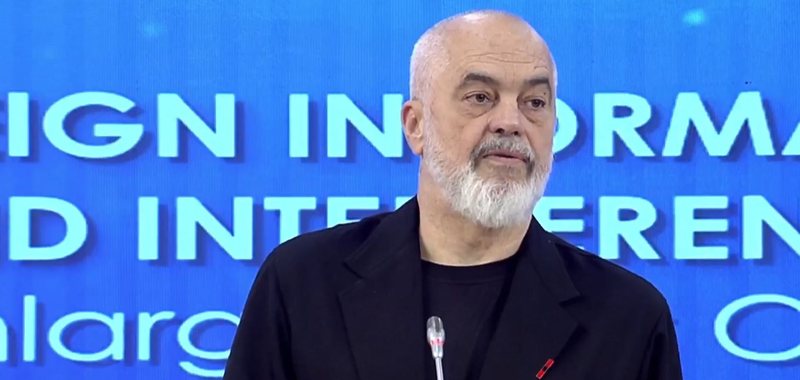
Rama: Let's protect information without curtailing freedoms - Foreign interference in information discussed in Tirana
Information manipulation and foreign interference are becoming one of the main threats to European democracies and security. Representatives of European......
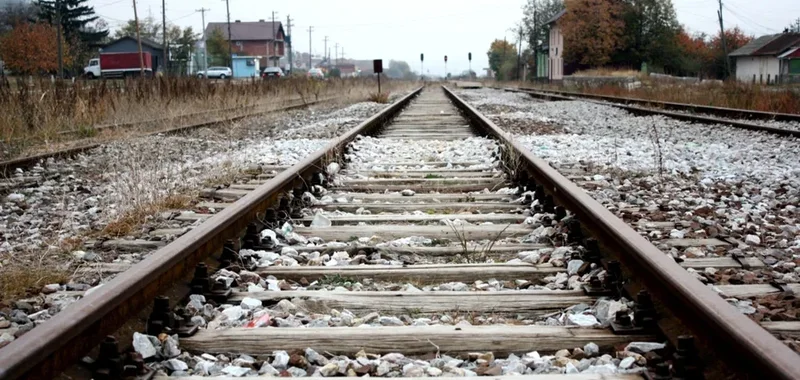
Construction of the Rinas railway station - The winning company is announced, part of the Tirana-Durrës-Rinas line project
The Albanian Railways has announced the winner of the tender for the drafting of the detailed engineering and architectural project, as well as the......

How did the labor market change in culture? Over 33 thousand employees, men and young people dominated the market
The culture sector has continued to maintain an important role in the labor market in Albania during 2025. According to data published by INSTAT, based on......

What are the risks associated with the new division of Albania? - From financial costs, to the quality of services and loss of trust
Territorial and administrative reforms are processes with far-reaching institutional, financial and social impact, which are inevitably associated with......

How has this week started for the major currencies?
The US dollar has started the week negatively, recording a decline in value this Monday morning, as it was bought today at 81.4 lek and sold at 82.4 lek......
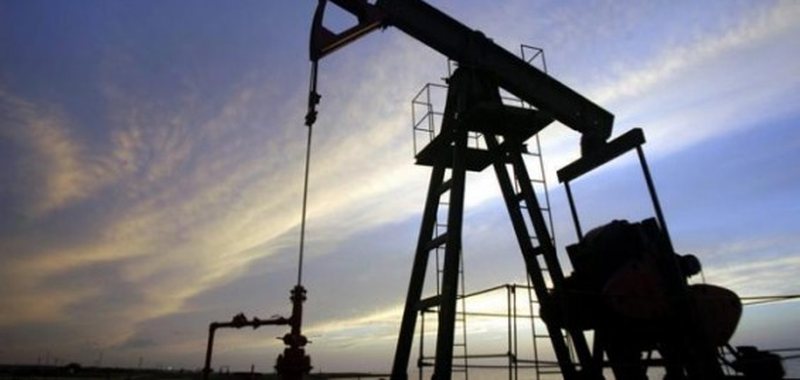
Oil starts the week down 6% - US and Iran announce halt to attacks, resume negotiations
Oil prices fell sharply in the first session of the week after Iran announced it would suspend all attacks as long as a ceasefire with the United States......
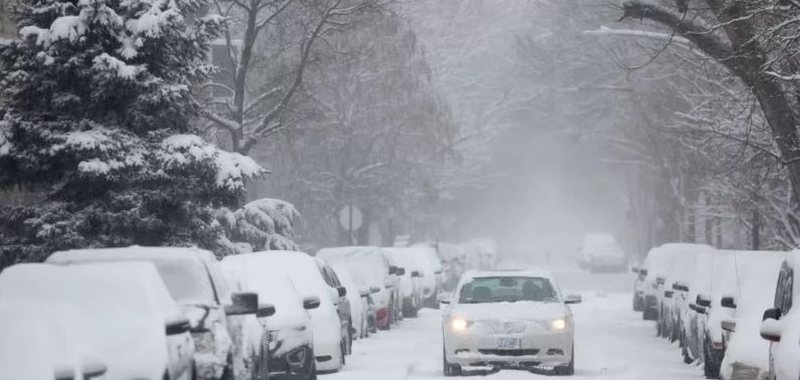
Europe, facing a long and cold winter - The Continent, on alert from the decline in gas reserves and imports at minimal levels
Europe is approaching winter with energy supplies at extremely fragile levels, while conflicts in the Middle East and the war in Ukraine are putting pressure......

Cost 1.35 billion euros to the British economy - Heat wave, 24 million working hours lost
The June heatwave in the United Kingdom resulted in the loss of 24 million working hours, equivalent to €1.35 billion to the economy, according to an......