



Sejko: The strengthening of the lek is supported by tourism, investments and remittances

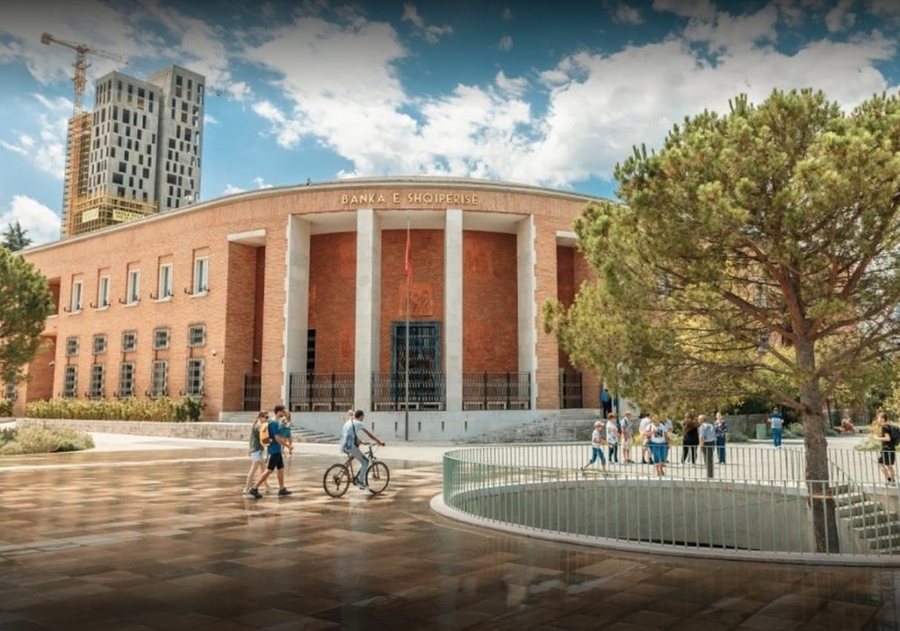
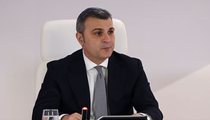
The Governor of the Bank of Albania, Gent Sejko, stated that the appreciation of the lek reflects the structural improvements of the Albanian economy and the increase in foreign exchange flows, emphasizing that this is a development related to the positive performance of the external balance.
While reporting to the Parliament's Committee on Civic Initiatives, Cooperation and Institutional Oversight, Sejko said that "during 2025, the external balance has improved significantly, supported by increasing revenues from tourism, remittances and foreign direct investments, mainly in the real estate sector, which have brought billions of euros to the economy."
The Governor emphasized that, under the conditions of a free exchange rate regime and an economy that continues to grow at a rate of around 3.8%, it is normal for the national currency to continue to strengthen.
"We cannot have predictability of the exchange rate, as we operate with a free regime of it. The experience of other European countries shows that during the process of integration into the European Union, when the economy grows and foreign exchange inflows increase, the national currency tends to appreciate," said Sejko.
He assessed that the strengthening of the lek has a positive impact on controlling inflation, which remains the main objective of the Bank of Albania.
"Of course, the appreciation of the lek has negative effects for exporters and for citizens or businesses that have their income in euros, but on the other hand, the beneficiaries are those who have their income in lek. Prices would be even higher if the national currency had been devalued. From a macroeconomic point of view, curbing price increases through strengthening the lek has positive effects for businesses and citizens ," he said.
The governor also argued that a fixed exchange rate regime would have more severe consequences for the economy.
"If we had a fixed exchange rate, inflation would not be 2.6%, but around 6%. Loan installments would increase, the level of non-performing loans, unemployment and overall macroeconomic indicators would be worse, " Sejko concluded.
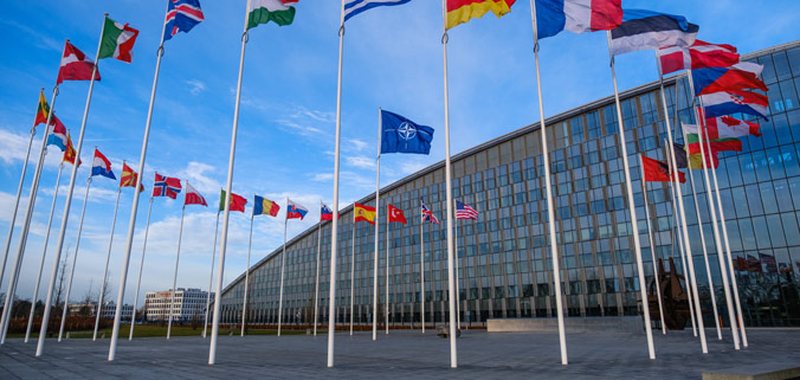
Malaj: The defense budget reaches 69.2 billion lek, in fulfillment of commitments to NATO
The Minister of Finance, Petrit Malaj, announced that Albania has significantly increased funding for the defense sector, bringing the budget to 69.2 billion......
Google Maps updates Albania - From Tirana to the Blue Eye, Albanian destinations on Google Street View
Google has completed a major update to Street View imagery in Albania, bringing new, high-resolution views of cities, roads, tourist destinations, and......
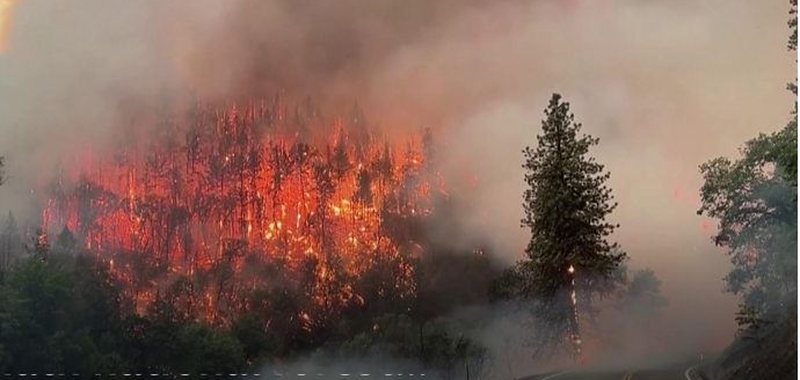
High temperatures increase the risk of fires - Civil emergencies, firefighters and health with a plan of measures
High temperatures have significantly increased the risk of fires in the country, while civil emergency structures have been placed on standby to deal with......

Exchange rate/ US dollar recovers. Franc loses points
The US dollar has recovered points compared to the previous day, reversing its downward trend as it recorded an increase in value this morning, being bought......
Gold rises, markets await Federal Reserve minutes - What are investors' expectations and movements?
Gold prices rose from a near-week low as investors awaited the minutes of a Federal Reserve meeting with renewed concerns about inflation from fresh US-Iran......
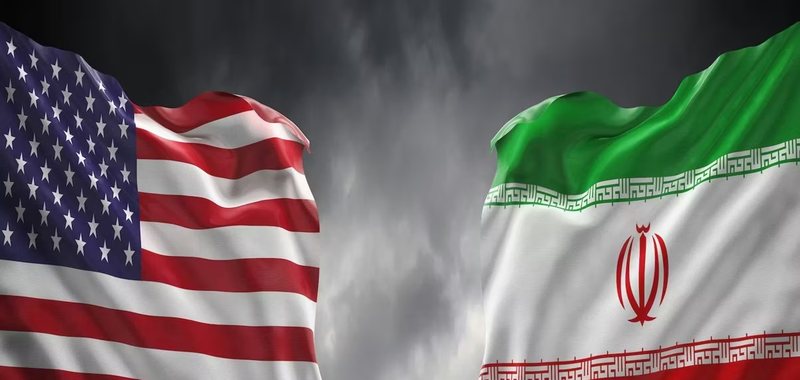
US ceasefire with Iran is faltering - New wave of attacks, Rutte: Attacks are necessary
NATO's European leaders are aiming to persuade Donald Trump to recommit to the military alliance, after the US President revived disagreements over the Iran......
Albania among the economies with the highest growth in Europe - IMF: Performance significantly above the average forecast for the eurozone
The Albanian economy is expected to grow by an average of 3.19% per year during the period 2027–2031. According to the IMF projection, Albania is included in......
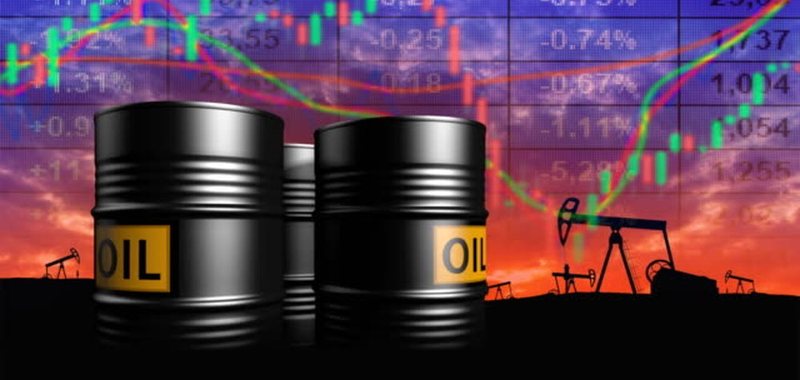
Oil prices rise more than 5% - US reinstates sanctions on Iranian oil sales
The United States has reimposed sanctions on Iranian oil after a US official warned that Iran's attacks on ships in the Strait of Hormuz were "totally......