

Albania improves financial inclusion/ OECD: Microfinance development and new strategic framework have influenced its growth

Albanian microfinance is increasingly developing, while this consolidation and the drafting of a new strategic framework have influenced the further increase in the financial inclusion of citizens. This is stated by the OECD in one of its latest indices, where it assesses Albania with 3.76 points in terms of financial inclusion of citizens from 3.51 in 2022, despite the ongoing gaps in policies that promote financial inclusion.
To address existing structural gaps in financial literacy, the Bank of Albania adopted the National Strategy for Financial Education and Inclusion 2024–2026 in January 2024. According to the Organization for Economic Cooperation and Development, existing initiatives do not have the scale to fill the low financial penetration of the economy, with only 46.1% of the adult population owning a bank account in 2025. The Bank of Albania has also undertaken several initiatives to increase financial awareness among primary and secondary school students and the public, but their scale remains limited. Private actors also provide training for marginalized groups.
Despite these efforts, activities remain largely uncoordinated, resulting in a fragmented financial education landscape in Albania, the OECD emphasizes.
However, small businesses in Albania are gaining better access to microfinance, thanks to a strong legal framework and active policies that promote its development. Recent policy initiatives are designed to modernize the microfinance sector by introducing digital solutions, improving operational efficiency and expanding the reach of financial services. Regulation No. 29/2022, in line with the European Union Payment Services Directive (PSD2), facilitates electronic identification, open banking and interoperability between financial service providers, thus laying the foundation for digital microfinance solutions.
Also, based on the interest rate caps on consumer loans, the sector has continued to expand, with loans provided by microfinance institutions reaching 0.65% of GDP in 2024, double the 2019 level (0.37%).

SEPA "changes" Albania, 70 million euros of benefits expected/ Foundation: It goes above 2% of GDP, BoA assessment by the end of 2026
By 2026, the economic benefit from the costs of SEPA transactions is expected to be around 70 million euros. The Director of the Monetary Policy Department......
Kosovo's trade deficit increases 16% in June/ Exports 102 million euros, only 15% of imports covered
Kosovo's trade deficit increased by 16.1 percent in June 2026, compared to the same period in 2025, reaching 578.3 million euros. Exports covered only 15......
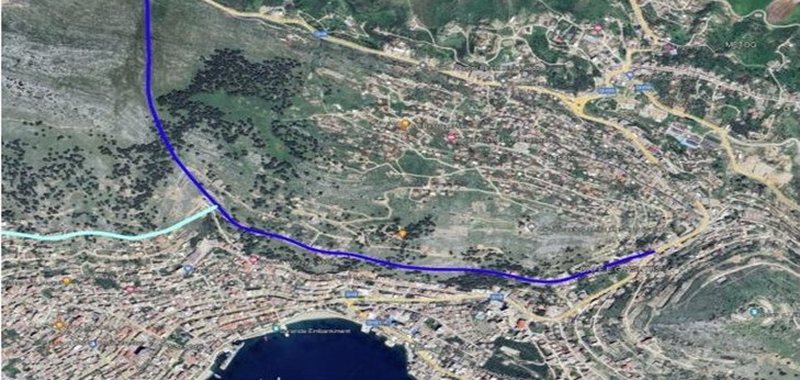
Works on the Saranda Bypass are progressing at a rapid pace/ Investment of 34 million euros, aimed at facilitating vehicle traffic
The construction works for the Saranda Bypass continue at an intensive pace, while the project is taking shape day by day. With a length of about 5......
KPP, complaints about locals dominate/ Local institutions lead with contested procedures
Over 142 million lekë were saved in the state budget during June, as a result of the decision-making of the Public Procurement Commission. The data from the......
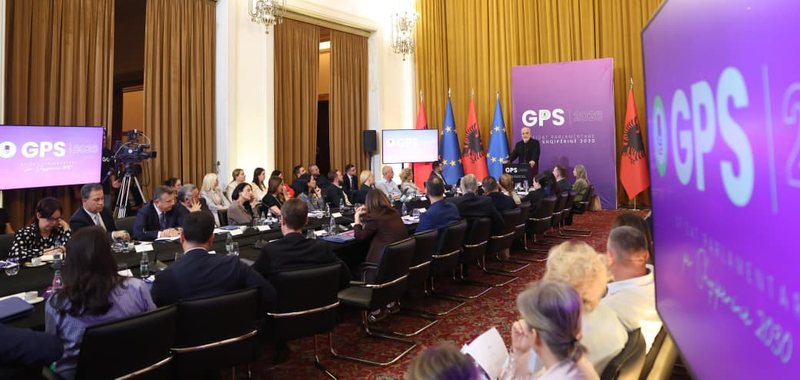
"Governance must start from the expectations of citizens" - Rama: Changes to the law on protected areas, in accordance with European Directives
Governance must be built on the expectations of citizens, even though their expectations are greater than the government's ability to respond to them. This......
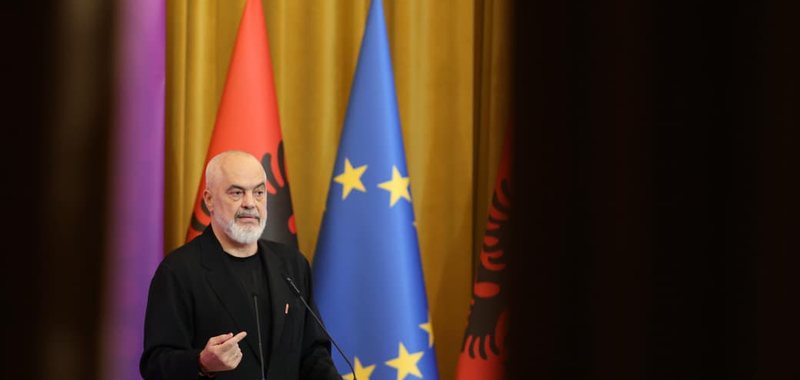
Rama: Protesters are not ungrateful, they are the new measure of our standards
Prime Minister Edi Rama, also the leader of the Socialist Party, declared today that those who protested on the Boulevard during the month of June are not......
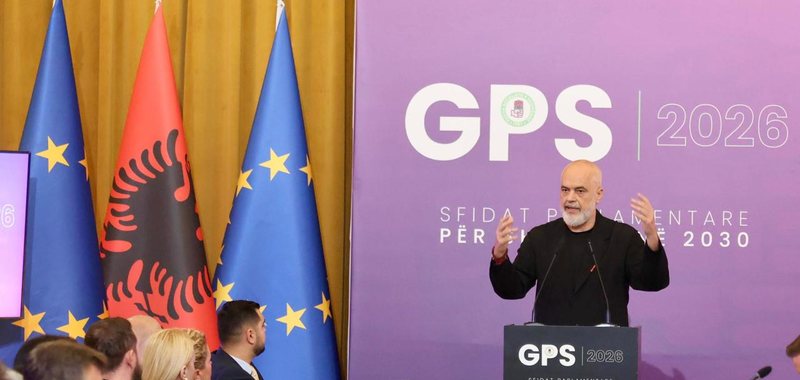
Rama: Protests, a reflection of Albania's new phase of expectations
Socialist Party Chairman and Prime Minister Edi Rama declared today that governance has entered a new phase, where citizens no longer judge based on past......
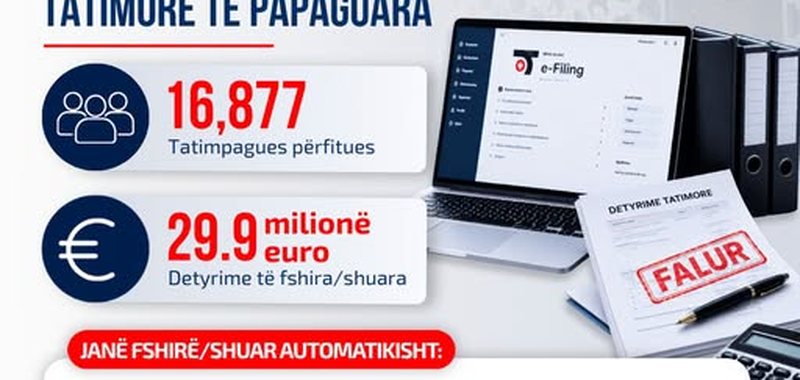
Liabilities worth 29.9 million euros are 'erased' - 16,877 taxpayers benefit from the Amnesty Law
The process of implementing the Amnesty Law continues by the Tax Administration, with an increasing number of taxpayers benefiting from the automatic......