

Family policies in focus of European integration - Work-life balance, investment for the Albanian economy and labor market

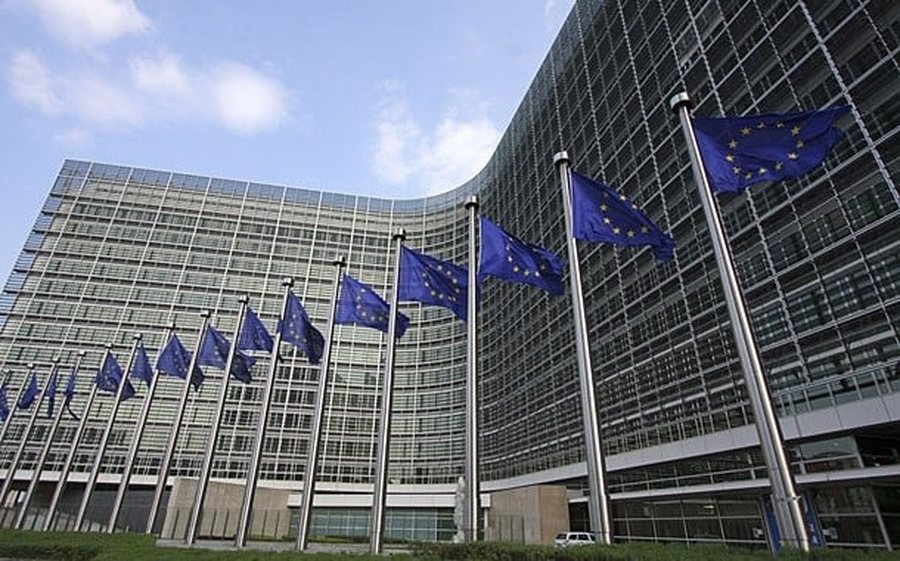
The balance between professional and family life, as well as increasing women's participation in the labor market, were the focus of a regional conference held in Tirana, where the alignment of the policies of the Western Balkan countries with European Union standards was discussed.
“From the perspective of the Ministry of Economy and Innovation, family-friendly and gender-sensitive policies are not just a social instrument. They are economic policies with a direct impact on employment, productivity, skills development and business competitiveness. Countries that have invested in policies that support parenting and family care have higher labor market participation rates, especially for women and girls, as well as better long-term economic outcomes ,” said Deputy Minister of Economy and Innovation, Olta Manjani.
In her speech, the Austrian Ambassador to Albania, Monika Zach, emphasized that this is an important topic for the European Union.
"Austria is committed to supporting Albania in the EU accession process and remains committed to improving the lives of its citizens through the practical implementation of EU directives and acquis, such as those we are sharing today on Work-Life Balance and Equal Opportunities ," said Zach.
The head of the UNFPA office in Tirana, Manuela Bello, also said that this strengthens the labor market.
“We are pleased that the conference reached a broad consensus that the adaptation and implementation of EU directives, as well as our work in Albania to expand opportunities, create real opportunities for women and men to participate equally in work, family life and society. It was reconfirmed once again that gender-sensitive family policies are essential for achieving gender equality, strengthening the labor market and ensuring that no one is left behind ,” said Manuela Bello, Head of the UNFPA Country Office in Albania.
This activity took place at a time when concerns about the consequences of demographic changes on economies, the workforce, the sustainability of social support systems, services and infrastructure are growing, while countries in the region continue their efforts to join the European Union.

Albanian industry far from European innovation - Little money for scientific research, disconnection from production
Innovation remains one of the main challenges of Albanian industry. The National Industrial Strategy 2026–2030 highlights that research and development......
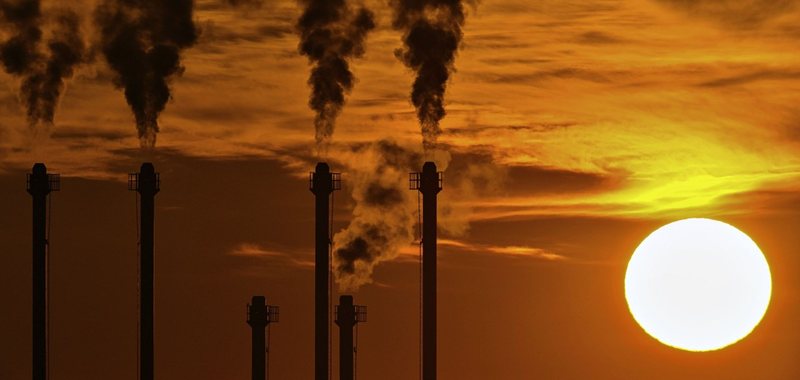
The climate cost of World Cup expansion - Emissions increase significantly, double compared to Qatar 2022
The World Cup begins on Thursday as a celebration of goals, drama and global fanfare, but it is also expected to have a climate cost more than double that of......
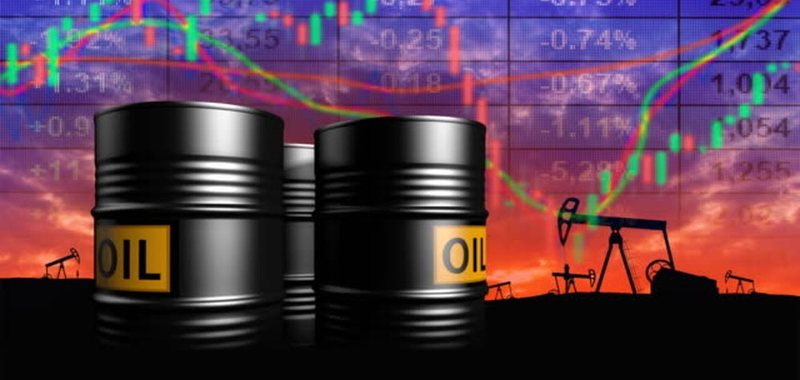
Oil rises after US-Iran tensions resurface / Futures contracts immediately rose 66 cents per barrel
Oil prices rose on Wednesday, pulling back from a seven-week low after the U.S. military launched fresh strikes against Iran. Market data showed another big......
Proposal: Limited vote for new EU members - Germany, France and Benelux states sign non-paper
A group of European Union (EU) member states have proposed that future members of the bloc, during a transitional period after joining the bloc, have limited......
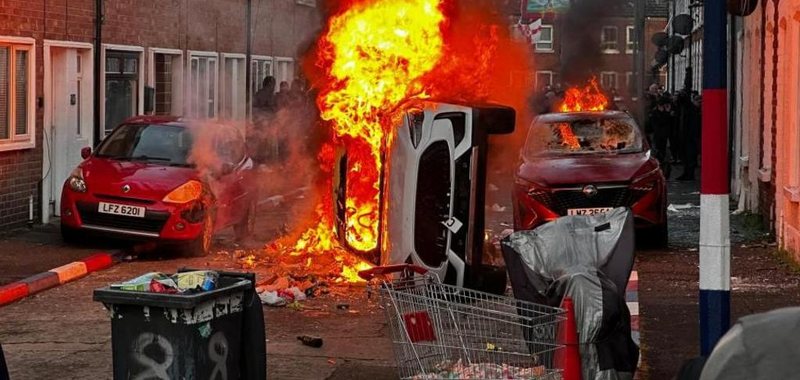
Anti-immigration protests, Belfast in flames - Cars and houses set on fire after a knife attack
Masked men torched houses and cars in Belfast in a wave of anti-immigrant violence on Tuesday evening. The incident followed a knife attack in which a......
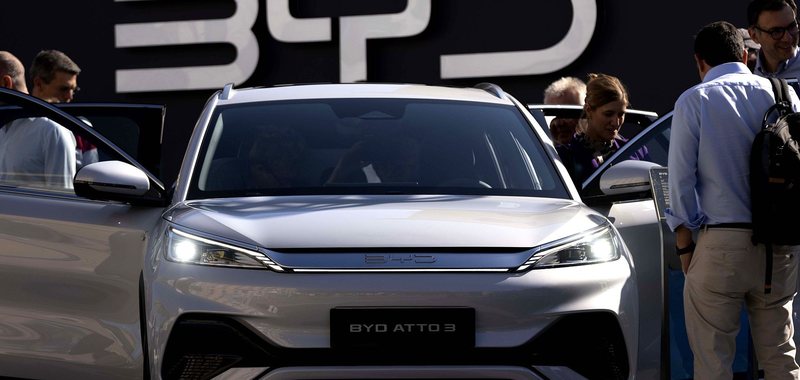
BYD aims to be the world's first - "The world's largest car manufacturer within 5 years"
Senior executives at Chinese automaker BYD on Tuesday announced a goal to become the world's largest automaker within five years, in what could be an attempt......
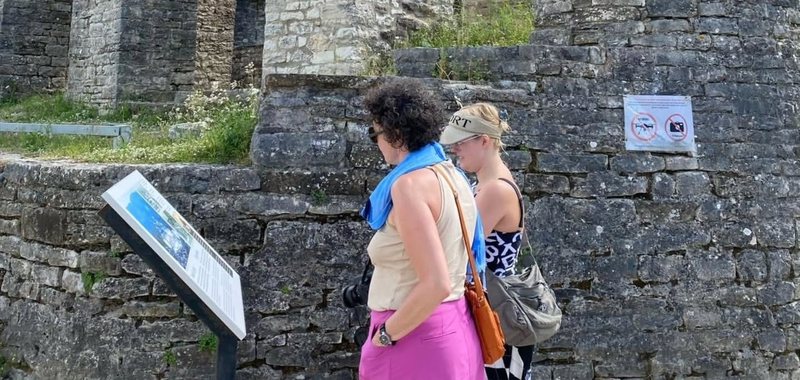
New rules for activities in cultural monuments - Concerts and festivals, with a new approval procedure
Cultural, artistic and scientific activities taking place in cultural monuments, historical centers, archaeological parks and other protected areas will now......
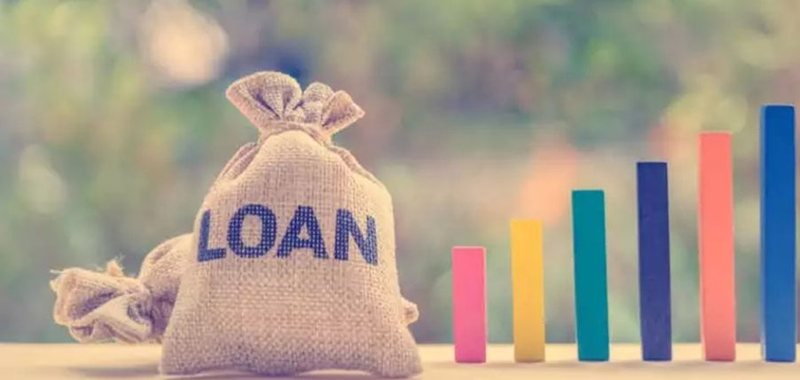
Non-performing loans at 18-year low/ The indicator fell to 3.75% in April. Banks maintain stability
The non-performing loan ratio in the Albanian banking system fell to 3.75% at the end of April 2026, from 3.85% a month earlier. According to Bank of Albania......