



World faces historic loss of oil supply - Due to war with Iran, dwindling reserves bring risks

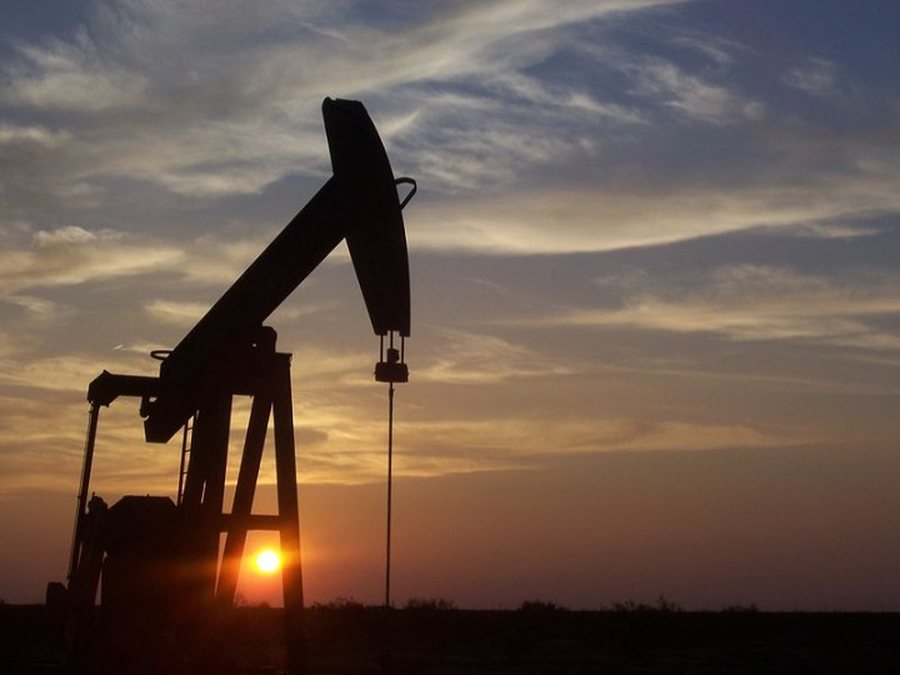
The world has comfortably weathered the loss of over a billion barrels of oil supplies since the start of the war, but, with long-term peace elusive and reserves depleted, it still faces the risk of future price increases. Tehran’s closure of the Strait of Hormuz in response to US and Israeli attacks launched on February 28 fueled fears of a catastrophic global energy crisis. The four-month conflict that followed, according to the International Energy Agency, created the largest energy blackout in history. At its worst, the main supply loss was 14 million barrels per day.
But concerns that Asia and Europe would run out of gasoline, diesel or jet fuel never materialized. And after peaking at around $126 a barrel in April, still about $20 below the 2008 record, Brent crude prices are now lower than they were when the conflict began.
"This suggests that traders viewed the disruption as serious but manageable, reflecting confidence in today's more resilient energy systems and economies," said John Baffes, senior economist at the World Bank.
Since the oil crisis of the 1970s, World Bank data show that oil intensity has fallen by more than half in most advanced economies and by nearly 20% in developing and emerging countries. However, beyond this structural change, three specific factors were responsible for preventing the worst-case scenario during the Gulf crisis.
Saudi Arabia and the United Arab Emirates found alternative routes to export. Asia, led by China, limited purchases. And countries around the world are likely to withdraw about 1 billion barrels of oil from their reserves. When the war broke out, China had nearly 1.4 billion barrels of oil in storage, according to the U.S. Energy Information Administration. That was more than the 1.2 billion barrels held by all 32 members of the International Energy Agency, including the United States’ 413 million barrels.
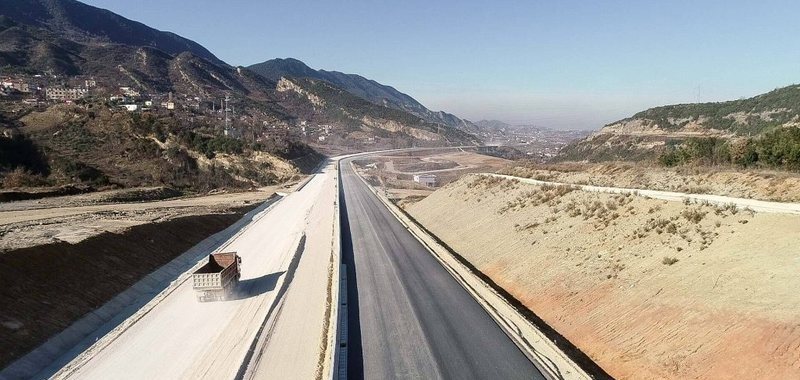
Corridor VIII, tender opens for voltage lines - The contract also affects the Tirana - Durrës axis, limit fund 166.7 million lek
The Albanian Road Authority has opened the tender for the drafting of the technical project for the relocation of high-voltage lines affected by the......

From public transport to water supply, 65 million euros additional for municipalities - Demo: "Rilinda 2.0", financing package for local government
Public transportation, investments in water supply and sanitation, or interventions in the agricultural sector will be the focus of the Rilindja 2.0 program,......

Egjiptianët kryesojnë kërkesat për azil në Shqipëri/ Interesi i përqendruar kryesisht në muajt Gusht, Shtator dhe Tetor
Numri i azilkërkuesve në Shqipëri shënoi rritje gjatë vitit 2025. Sipas të dhënave të INSTAT, në vend u regjistruan 144 kërkesa për azil, ose 40 më shumë......

What are agricultural commercial receipts? - Stone: Collateral can be placed on stored or in-process products
Farmers will be able to use agricultural products, still unharvested or in storage, as collateral to obtain financing. The draft law on commercial receipts......
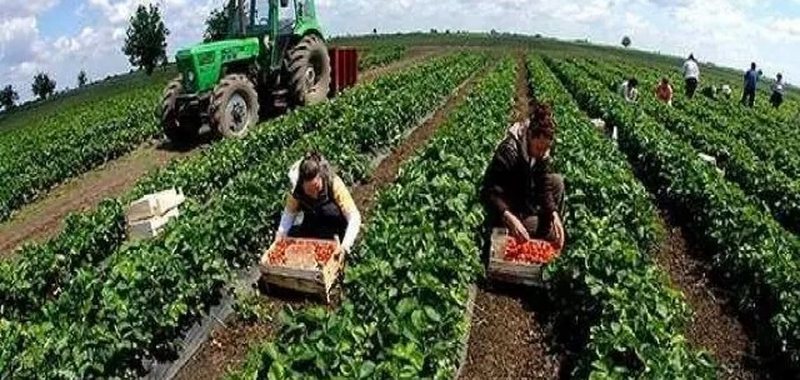
Deadline for farmers/AZHBR: Applications to the National Scheme close today
The Agency for Agricultural and Rural Development (AZHBR) announced that today is the last day for applications to the National Agricultural Support Scheme......

Malaj: Package of over 14 billion lek to support farmers and investments in agriculture
The Minister of Finance, Petrit Malaj, stated that the government continues to support farmers, domestic production and the development of the rural economy......

Businesses still face financing difficulties - OECD: Albania slightly improves score, but remains below the regional average
Access to finance for small and medium-sized businesses in Albania has improved slightly, but the country remains below the Western Balkans average. This is......

Ibrahimaj: Albanian businesses will be supported to prepare for the European single market
The Minister of Economy and Innovation, Delina Ibrahimaj, presented today the national program for preparing businesses for European Union Integration, an......