



Korça "dethrones" Fier from the throne of wheat/ About 1 in 4 kg comes from the southeastern region. Production drops to the lowest level

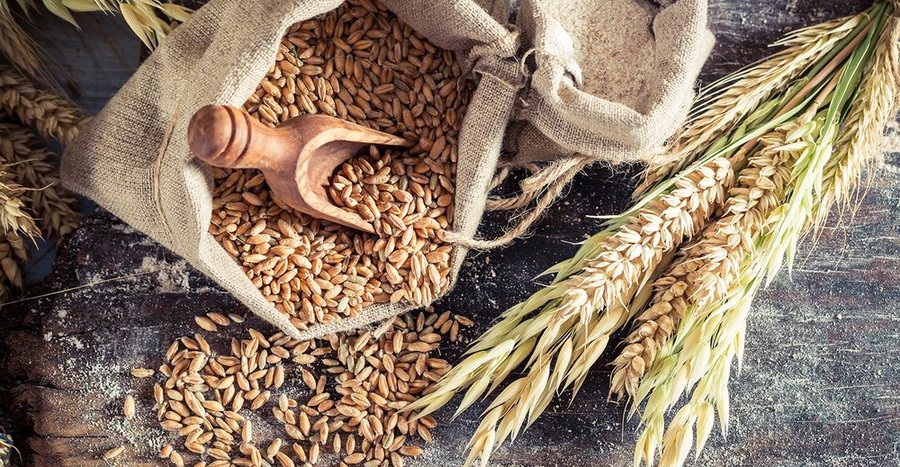
Agricultural production in Albania reached 9.7 million tons in 2025, while cereals continue to remain one of the most important groups of field crops. According to official data, cereal production reached 623 thousand tons, with Fier leading the national ranking with 144 thousand tons, followed by Elbasan and Korça.
However, within the cereal group, an important development has occurred. Korça has taken first place in wheat production, leaving behind Fier, which for years has been the dominant region for this crop.
Data for 2025 show that Korça produced 36.6 thousand tons of wheat, while Fier produced 34.8 thousand tons. The difference is relatively small, but it was enough for the southeastern region to climb to the top of the national ranking for the crop that remains the basis for bread production.
The change comes after a sharp decline in wheat production in Fier in recent years. In 2023, Fier produced 67.6 thousand tons of wheat, or nearly 21 thousand tons more than Korça. In just two years, production in Fier has halved, falling by about 48%, while Korça has suffered a more moderate contraction.
Elbasan ranks third for wheat production with 25.9 thousand tons, followed by Berat, Tirana and Lezha.
The shift in leadership between the two largest producing regions comes at a time when national wheat production is following a long-term downward trend. In 2025, 162.6 thousand tons of wheat were produced, the lowest level recorded in at least the last 15 years.
Compared to 2012, when national production reached over 300 thousand tons, the amount of wheat produced in the country has decreased by about 138 thousand tons, or almost 46%. The decline is even more noticeable compared to the late 1990s, when wheat production was approaching 400 thousand tons.
Meanwhile, the share of wheat in cereal production has decreased significantly. Of the 623.9 thousand tons of cereals produced in 2025, only 162.6 thousand tons were wheat, while the majority was corn, whose production reached 400.4 thousand tons.
This shows that, while Fier continues to remain the most important region for grain production overall, thanks to the high weight of corn, the map of wheat production has changed. For the first time in many years, Korça has returned to the main center of wheat production in Albania.
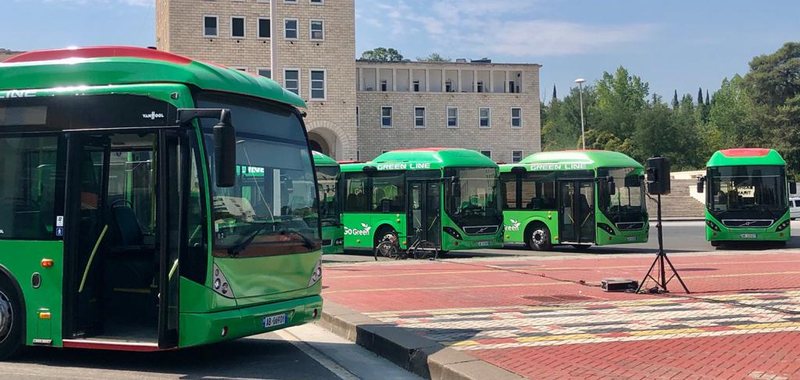
Urban transport is exempt from the obligation for POS - Ministry of Finance: They are not obliged to be equipped with payment terminals
Operators providing urban public transport services will not be required to be equipped with POS/POI terminals for making electronic payments. The......

The total number of employees fell slightly during 2025/ Wage earners and self-employed people increase, while family work decreases
The employment structure in Albania has changed during 2025, with the main trend being an increase in the share of salaried employees and a contraction of......
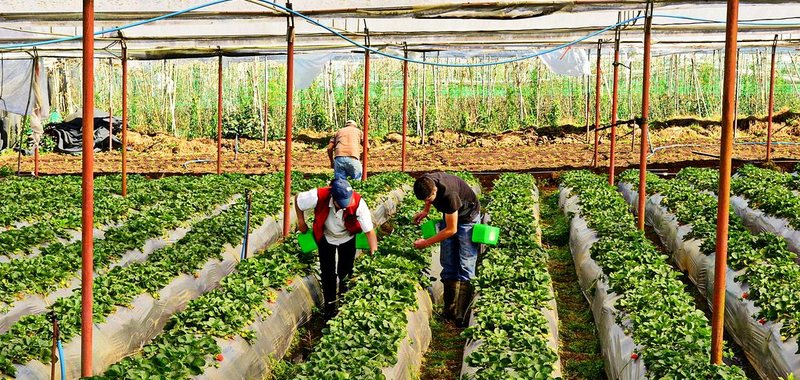
Agricultural production reaches 9.7 million tons - 2025/ Vegetables grow more, cereals, fruits and olives less
Albanian farmers produced around 9.7 million tons of agricultural products in 2025. According to official data from the Institute of Statistics, vegetables......
How did the livestock structure change during 2025? The number of beehives increased by 9.8%, while the strongest decline was recorded in pigs
During 2025, the livestock sector in the country has seen some changes in structure and production levels compared to the previous year. According to data......
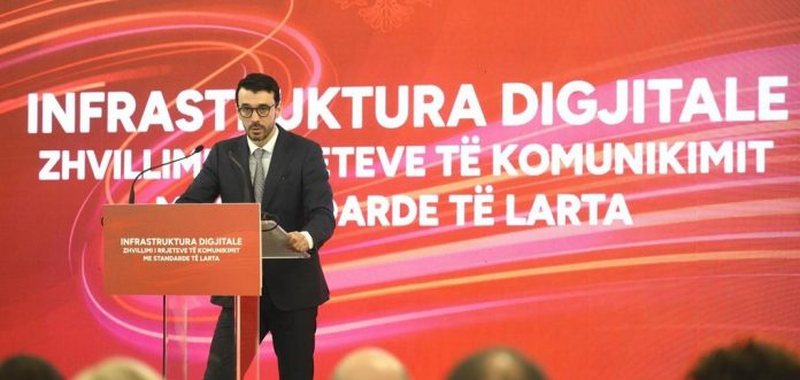
Karakaçi: Albania aims for Gigabit society with investments in modern networks and 5G coverage
The Minister of Infrastructure and Energy, Enea Karakaçi, stated that Albania is harmonizing the development of electronic communications networks with......

"Electric buses and logistics park for public transport" - Rama: New program also for parking in all municipalities
Prime Minister Edi Rama announced that the national program "Urban Renaissance 2.0" will include new measures to modernize public transport and improve......
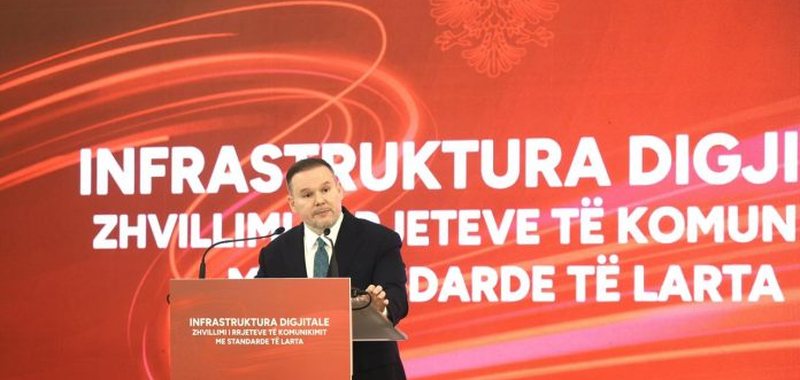
Demo: Moving cables to underground infrastructure, a step towards more modern and safer cities
The Minister of State for Local Government, Ervin Demo, presented the new platform for the development of underground infrastructure in urban areas, an......
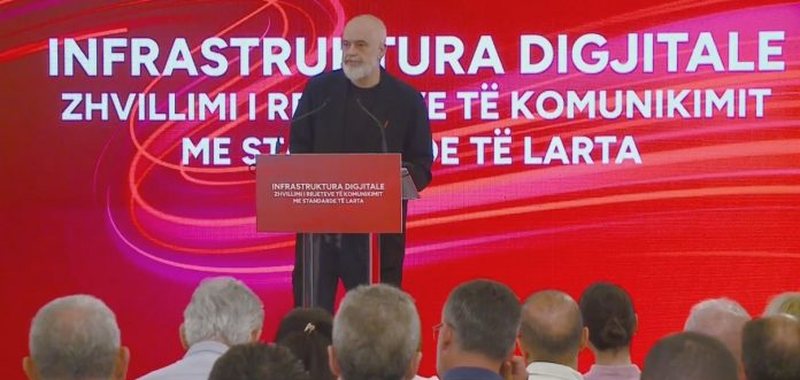
Urban Renaissance 2.0 to be presented in July - Rama: It will focus on investments in the water supply and sewage network
The national program "Urban Renaissance 2.0", which is expected to be presented in the first ten days of July, will have as one of its main priorities the......